รายการของคุณว่างเปล่า
เพิ่มสินค้าเพื่อขอใบเสนอราคา

Key Takeaways
An RNA extraction may look perfect in pictures on paper. A260/A280 ratio is on target, the gel shows two crisp ribosomal bands, and concentration is high enough for this step. Then, to your surprise, the RT-PCR results come back with an unexpected signal.
What got carried along was a small amount of genomic DNA, invisible on a spectrophotometer but capable of amplifying alongside a real transcript and throwing off an entire experiment. DNase treatment reliably solves this once the reaction conditions, timing, and inactivation steps of the DNase I protocol are set up correctly.
Here is the full DNase I protocol guide and how to remove DNA contamination from RNA
Table of Contents
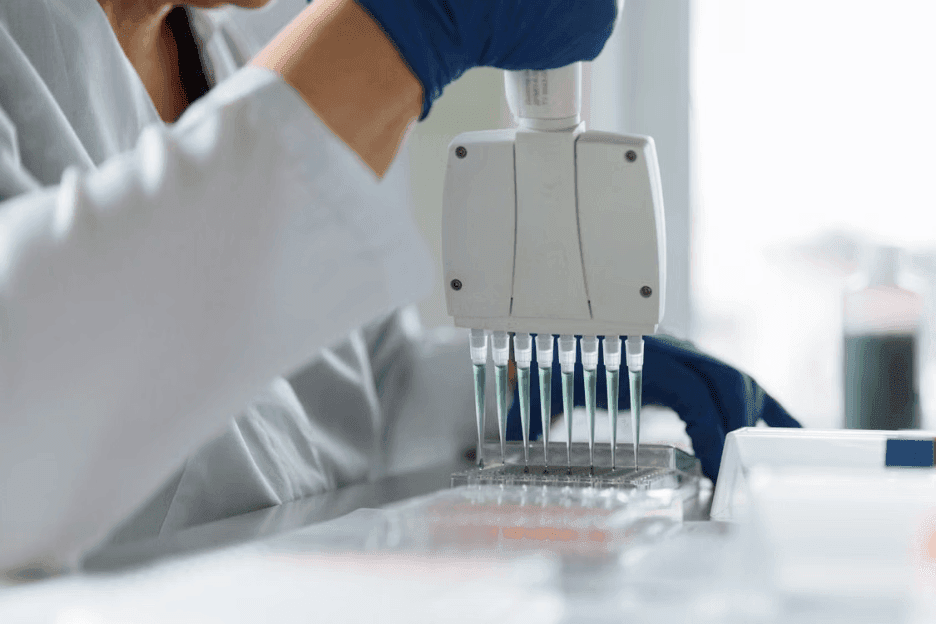
DNase I is a glycosylated enzyme that digests single- and double-stranded DNA to smaller oligonucleotide fragments, but (under certain conditions) it can leave RNA intact. And that selectivity is why DNase is such an important enzyme in RNA-based experiments and why DNase treatment for RNA is standard practice rather than an optional cleanup step.
If you are performing an in-solution treatment, you will typically require RNase-free DNase I, its 10X reaction buffer, nuclease-free water, RNA, EDTA, and a heat block or thermocycler capable of maintaining the required temperatures. An RNase-free bench and fresh gloves matter as much as the reagents do, since stray RNase undermines the point of the treatment.
What you need before you start
When RNA has already been eluted or otherwise purified, in-solution digestion is a viable alternative. A normal starting ratio is 1 unit of DNase I per microgram of RNA.
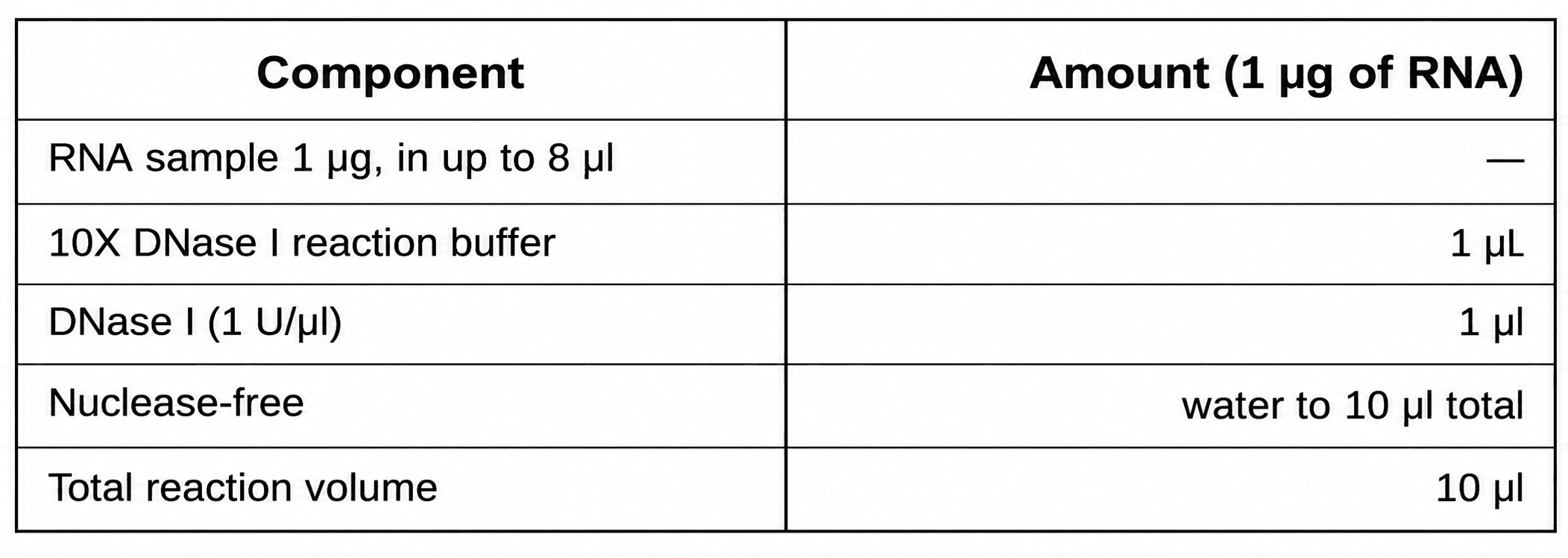
To inactivate the enzyme, incubate the reaction at 65-75°C for 10 minutes. You should then store the prepared RNA at -80 °C or perform reverse transcription after cooling the sample on ice. This pattern is what a standard DNase I digestion is based on. You should also separate digestion from inactivation; getting rid of DNA is important, but only half the battle.
Since residual DNase activity may interfere with subsequent reactions, the recommended inactivation conditions should be followed.

Many spin-column kits allow you to digest DNA without having to separately clean up the RNA that is bound to the membrane. RNA is bound to the column as normal, washed once, and then a DNase I digestion mix (prepared with the appropriate buffer and enzyme volume per the kit) is applied directly to the membrane.
This mixture is then incubated at room temperature for approximately 15 min, at a much lower temperature and for a much shorter time than an in-solution digestion reaction. The column is then washed to remove any residual enzymes and reaction components before elution.
On-column digestions are convenient and may reduce handling, but the extent of RNA recovery and integrity after the digestion depends on column chemistry, sample type, and kit protocol.
Digestion of RNA preparations should never be taken for granted, and the only reliable way to check that it has occurred is to set up a no-RT control reaction using a small aliquot of the digested RNA sample. This should involve PCR with primers specific to a region of the genome that is not present in the corresponding RNA transcript, and that spans an intron, if possible.
As per minus-RT controls in RT-PCR, this should allow one to distinguish a genomic DNA amplicon from any contaminating RNA that could be accidentally reverse transcribed and amplified. If a no-RT reaction produces an amplicon, then it confirms the DNA is still present in the RNA preparation. In this case, you should repeat the digestion using fresh enzyme.

Here are a few common problems to pay attention to when performing DNase I treatment, and how to remove DNA contamination from RNA
The enzyme itself is also responsible for several issues. Typically, standard DNase I enzyme preparations contain a small amount of RNase, which silently degrades RNA during the protective procedure. RNase-free DNase I removes this problem from the reagent side, leaving only time and temperature as the influencing factors.
XL Biotec offers RNase-free DNase I, packaged with 2,000 units per vial, along with an extensive selection of molecular biology chemicals for RNA and DNA preparation. Order yours today and start treating your RNA without introducing a new source of degradation.
Genomic DNA co-purifies with RNA during sample preparation and may be amplified alongside your target RNA species, resulting in false positives or skewed CT values.
DNase I will digest both single-and double-stranded DNA into smaller fragments, while leaving the RNA intact, provided the enzyme is RNase-free.
RNA samples are combined with 10X reaction buffer and enzyme at 1 unit per microgram of RNA, incubated at 37°C for 15-30 minutes, then stopped with EDTA and heat.
1 unit per microgram is the standard starting point for most RNA preps.
One known procedure is to bring EDTA to a final concentration of 5 mM and heat at 65-75°C for 10 min. Always refer to the manufacturer's instructions, as inactivation conditions may differ.
DNase I is still designed to work on DNA and not RNA. But suboptimal reaction conditions, prolonged incubation, and/or RNase contamination result in RNA degradation.
DNase I may require Mg2+ and Ca2+ ions as cofactors for activity, which are provided in the 10X buffer that comes with most RNase-free DNase kits.
On-column treatment avoids an extra purification step and can yield slightly better integrity. In contrast, in-solution treatment offers greater flexibility in digestion times and is compatible with any RNA purification method.
Set up a no-RT PCR control on the treated RNA. No amplification confirms the DNA is gone.
Most commercial sources of DNase I are contaminated with trace amounts of RNase, which can lead to unwanted RNA degradation. RNase-free DNase I is specially purified to avoid this.
