รายการของคุณว่างเปล่า
เพิ่มสินค้าเพื่อขอใบเสนอราคา

Back in 1976, a group of researchers at the National Institutes of Health were trying to grow human bone marrow cells in a dish. Nothing remarkable, or so they thought. Then a batch of white blood cells refused to die on schedule, and instead of fading out after a few days the way lymphocytes usually do, they kept dividing, week after week, for months.
Investigating the cause, the scientists discovered a little protein in the culture fluid that turned out to be interleukin-2, the molecule that allowed immunologists to maintain T-cell viability and proliferation outside of the human body.
So, what is IL-2? It's a cytokine, basically a chemical message immune cells send to each other. Decades later, it still sits at the center of cellular immunology. Here's where interleukin 2 came from, how it signals inside a cell, and why researchers still reach for it.

Doris Morgan, Frank Ruscetti, and Robert Gallo published their findings on growing T lymphocytes from bone marrow in Science in 1976, according to a history of the discovery published by the NIH Intramural Research Program. Keeping T-cells alive outside the body for more than a few days was close to impossible at the time, until Morgan's team noticed a factor in stimulated culture fluid that kept the cells dividing for months instead of days.
Researchers first called this substance T-cell growth factor, a fair enough name, since it describes what the molecule did without explaining what it actually was. That changed once scientists purified the protein and cloned its gene in the early 1980s, and the field settled on interleukin-2, placing interleukin 2 in a much larger family of interleukins that researchers were only beginning to map out.
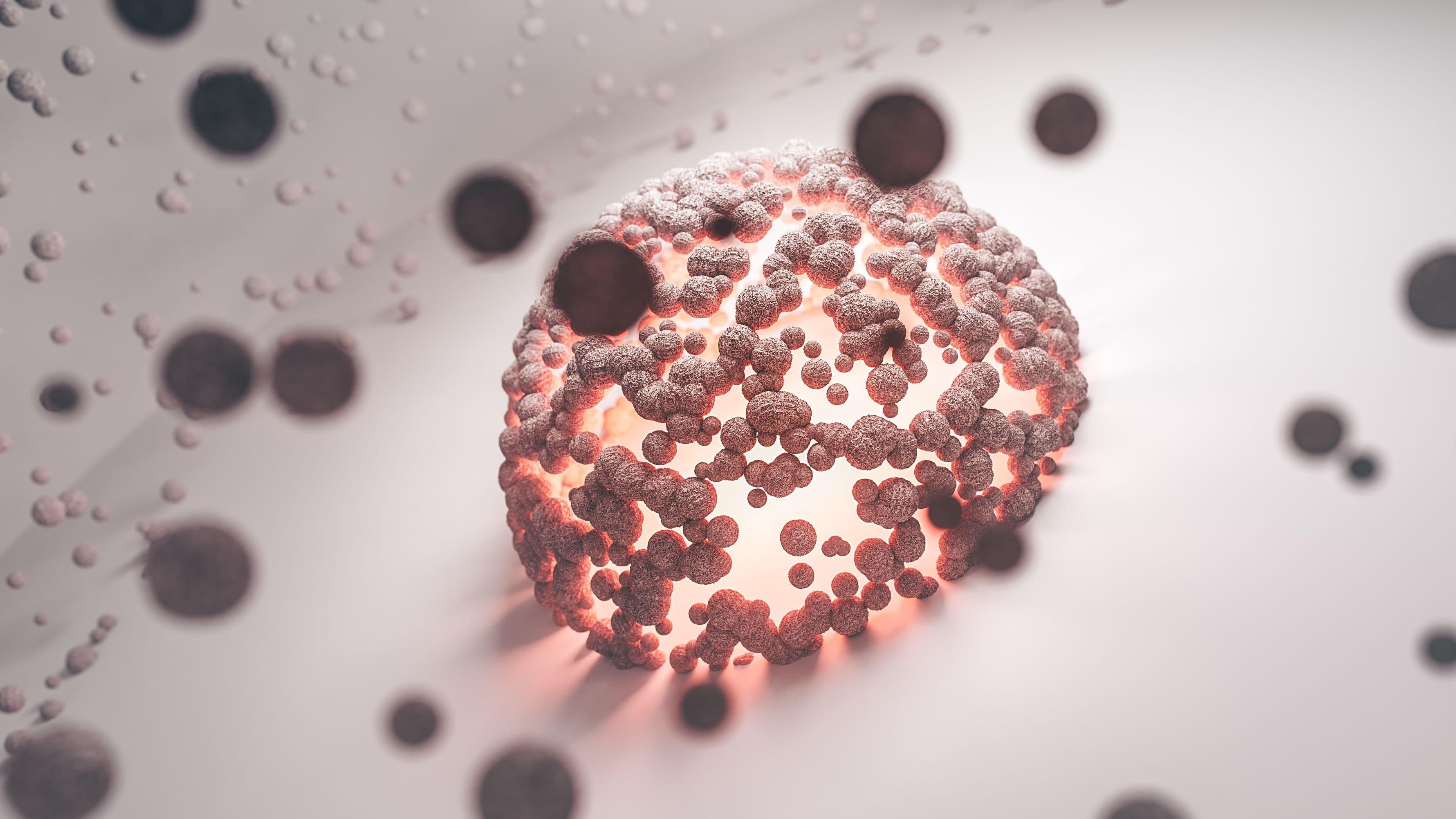
IL-2 function reaches well beyond simple cell growth, since it acts on several immune cell types at once.
Three protein chains constitute the IL-2 receptor, and the combination a cell carries decides how sensitive it is to the cytokine.
Cells expressing all three chains form a high-affinity receptor that responds to very low amounts of IL-2. That's why Tregs, carrying CD25 constitutively, pick up signals other cell types barely register.
Once IL-2 binds, the beta and gamma chains recruit JAK1 and JAK3, which activate STAT5, according to research summarized in a Nature Reviews Immunology overview of IL-2 biology, switching on the genes a cell needs to divide.
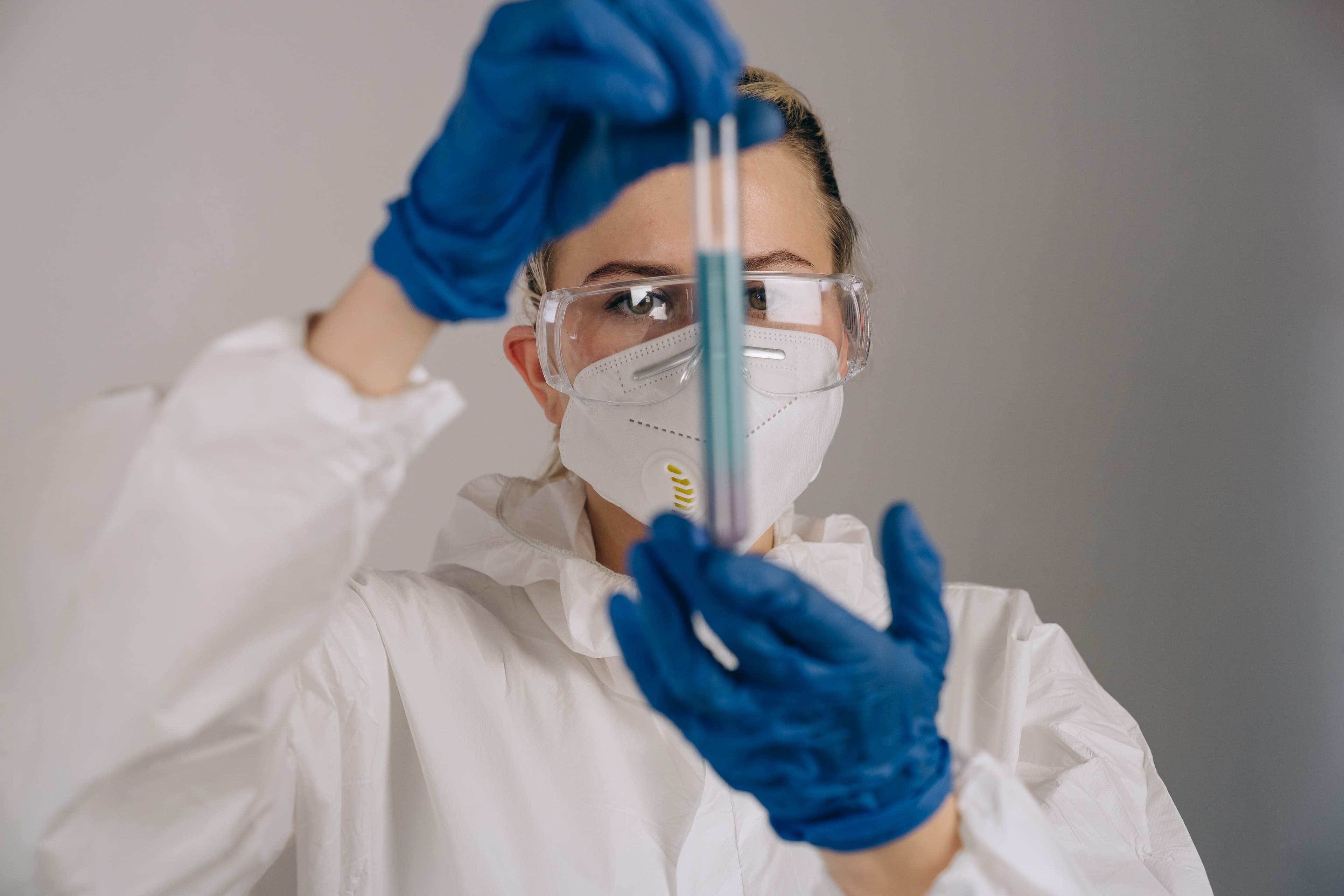
IL-2 uses in the lab generally fall into three buckets, cell expansion work, disease research, and therapeutic trials.
IL-2 for T-cell expansion is close to a default step in adoptive cell therapy manufacturing. Researchers activate isolated T-cells with anti-CD3 and anti-CD28 stimulation, then culture them with IL-2 until the population reaches the numbers an experiment needs.
IL-2 is central to both proliferation and self-tolerance, so researchers studying autoimmune conditions often trace their experiments back to this pathway, since scientists have linked CD25 defects to severe autoimmune disease. IL-2 also turns up in trials testing high-dose regimens meant to boost tumor-fighting immunity and low-dose regimens meant to expand Tregs instead, one cytokine doing two almost opposite jobs depending on the dose.
Manufacturers typically produce recombinant human IL-2 by inserting the human IL-2 gene into a bacterial expression system, most often E. coli. They induce the bacteria to produce the protein, then extract, refold, and purify the resulting IL-2 protein to remove bacterial debris and endotoxin. GMP-grade recombinant IL-2 undergoes added testing for purity, potency, and low endotoxin before use in cell therapy work.
This quality control phase is crucial to reproducibility. Researchers scaling up cell treatment work typically stick with a single validated supplier rather than switching lots mid-study because a lab using the same methodology with two different IL-2 lots could show materially different expansion rates if potency testing wasn't rigorous.
Recombinant IL-2 usually ships as a lyophilized powder and stays frozen until use, since the protein degrades once reconstituted. Labs dissolve it in a carrier solution containing a small amount of protein, such as bovine serum albumin, so the cytokine doesn't stick to plastic surfaces. For T-cell expansion, working concentrations commonly fall between 20 and 300 IU per milliliter. IL-2 NK cell expansion protocols often call for higher amounts, reflecting lower NK cell sensitivity to the cytokine.

The IL-2 cytokine was one of the earliest immune-based cancer treatments to reach patients. Aldesleukin, a recombinant form of IL-2, gained regulatory approval for metastatic renal cell carcinoma and later for metastatic melanoma, based on trials showing high-dose IL-2 could drive durable responses by boosting T-cell and NK cell activity against tumors.
That benefit didn't come free, though, since high-dose IL-2 can cause capillary leak syndrome and other serious side effects, which is why it stayed limited to specialized centers rather than becoming routine.
That trade-off is the reason why current research focuses on IL-2 variants that keep the anti-tumor punch while cutting toxicity and unwanted Treg expansion, tested alongside checkpoint inhibitors and adoptive cell therapies.
A cytokine this sensitive to concentration and purity is only as reliable as the protein a lab starts with. Batch-to-batch variation in bioactivity can quietly skew a T-cell expansion run before anyone traces it back to the reagent.
XL Biotec supplies GMP grade recombinant human IL-2 from Croyez Bioscience, formulated to support proliferation, activation, and survival of T-cells and NK cells. Order it today from XL Biotec's wider proteins and cytokines range.
1. What is interleukin 2 (IL-2)?
A cytokine made by activated T-cells that drives T-cell proliferation and supports NK cells and Tregs.
2. Who discovered interleukin 2 and when?
Doris Morgan, Frank Ruscetti, and Robert Gallo in 1976, at the National Institutes of Health, first calling it T-cell growth factor.
3. What is the role of IL-2 in the immune system?
It expands T-cells, boosts NK cell activity, sustains Tregs for self-tolerance, and supports antibody production.
4. How does IL-2 cause T-cells to proliferate?
It binds to its receptor, which activates JAK1 and JAK3. These proteins then activate STAT5, which turns on genes that drive the cell to divide.
5. How is IL-2 used in immunology experiments?
To expand T-cells for adoptive therapy and CAR-T manufacturing, to study disorders tied to its signaling, and in therapeutic trials.
6. What is recombinant IL-2 and how is it produced?
Manufacturers insert the human IL-2 gene into an expression system, usually E. coli, then purify and refold the protein for use.
7. How does IL-2 activate natural killer (NK) cells?
It binds NK cell receptors and raises their cytotoxic activity, improving their ability to eliminate infected and tumor cells.
8. What is the role of IL-2 in cancer immunotherapy?
High-dose IL-2, given as aldesleukin, was among the first approved immune-based cancer treatments, producing durable responses in some patients.
9. What effect does IL-2 have on regulatory T-cells (Tregs)?
Tregs constitutively express CD25, which allows them to capture IL-2 at low concentrations, a signal required for their survival.
10. What concentration of IL-2 is used to expand T-cells?
Most protocols use 20 to 300 IU per milliliter, whereas NK cell expansion often runs higher.
