รายการของคุณว่างเปล่า
เพิ่มสินค้าเพื่อขอใบเสนอราคา

ELISA results don't always turn out the way they should, even when the protocol gets followed carefully. The wells change color, the standard curve looks fine, and the numbers seem reasonable. Then those numbers get compared with an earlier run on the same samples, and they don't match.
Often, the real reason goes back to the kit itself. Two ELISA kits can look almost the same from the outside, similar box, similar microplate, and similar antibody pouches. But the antibodies inside may not be built for the same sample type or the same concentration range, and that difference is easy to miss until the results come back.
When the kit matches the experiment well, the assay usually behaves the way the protocol promises. When it doesn't, the lab can end up spending extra time troubleshooting a problem that started with the kit rather than the process. There's a simple way to avoid this, and it begins with knowing what really separates one ELISA kit from another.
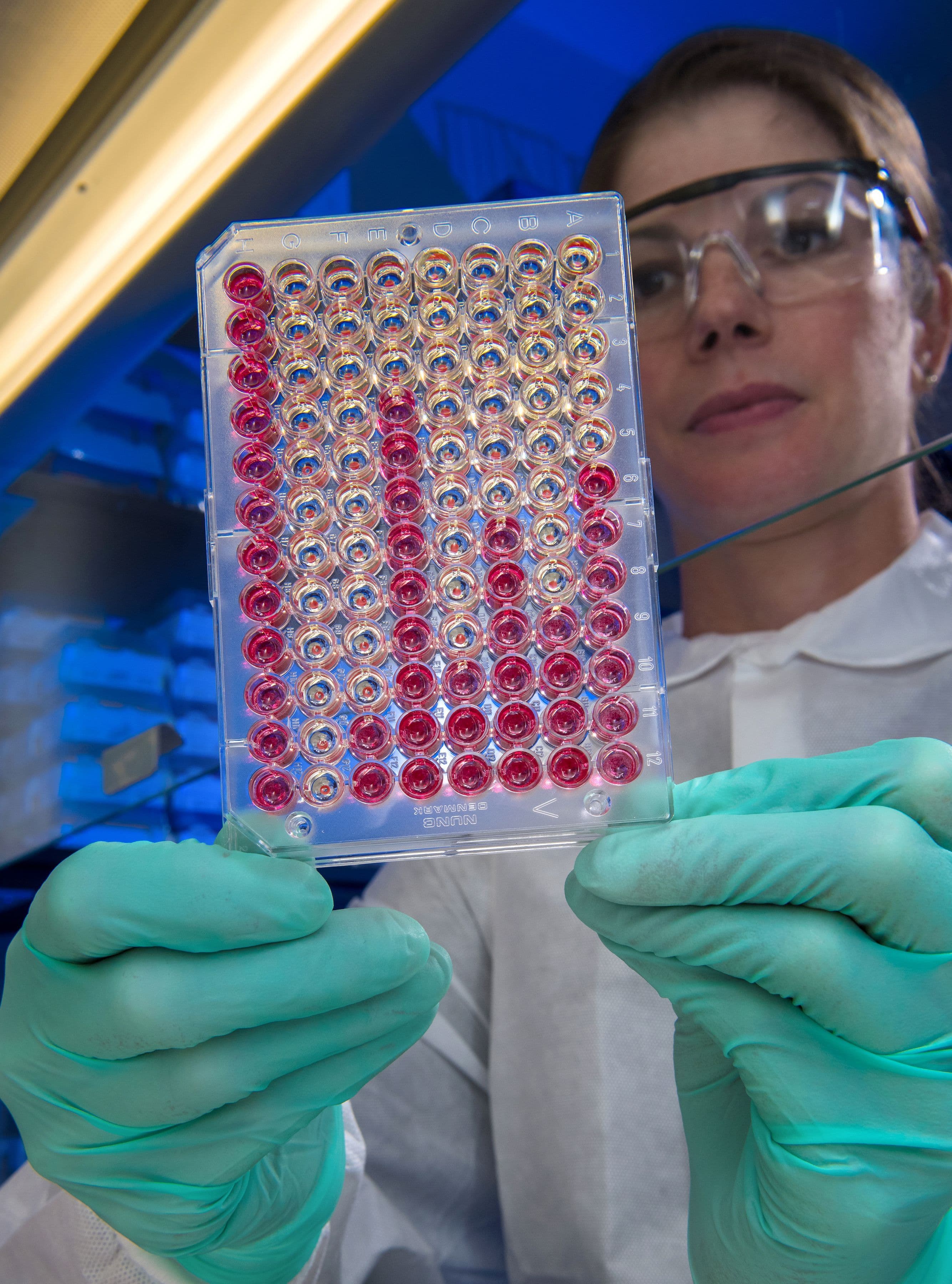
ELISA stands for enzyme-linked immunosorbent assay. It's a method that detects and measures a specific protein, hormone, antibody, or other biomolecule in a liquid sample. An ELISA kit packages up everything a lab needs to run that test, usually a pre-coated microplate, capture and detection antibodies, standards for a calibration curve, substrate solution, stop solution, and wash buffer.
Kit choice matters more than most people assume, mainly because it drives reproducibility. Two labs running the same experiment can land on completely different conclusions if one kit was validated for serum and the other for cell culture supernatant. A poorly matched ELISA assay kit doesn't always fail loudly, either. Sometimes it produces a plausible-looking curve that happens to be quietly wrong.
Most ELISA kits fall into one of four assay formats, and the format shapes both the protocol and how you should read the results. Here's how each format works and where it tends to fit best.
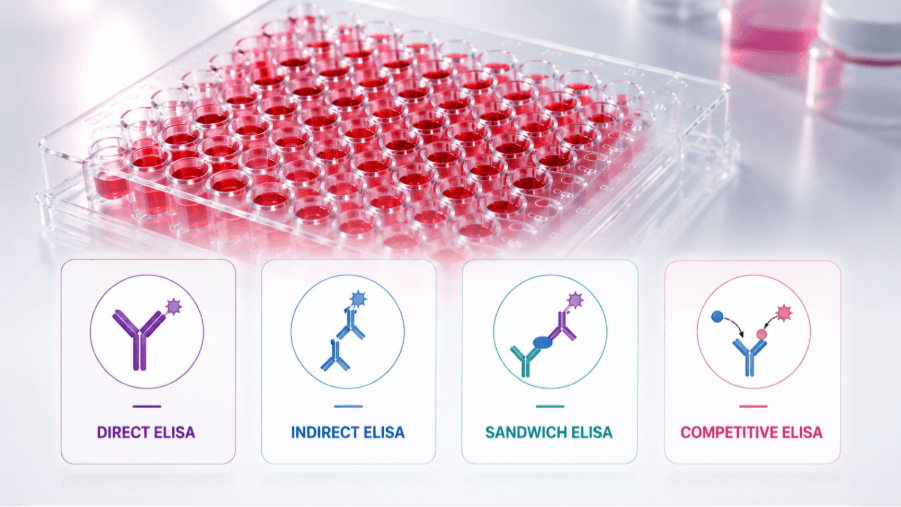
The antigen from the sample binds directly to the plate, and a single labeled antibody detects it. It's fast and uses fewer reagents, but that direct coating step can reduce sensitivity.
The plate still gets coated with antigen, but detection happens in two steps. A primary antibody binds the target first, then a labeled secondary antibody binds the primary. That extra step amplifies the signal, which is why indirect ELISA shows up so often in antibody titer studies.
The target gets captured between two antibodies, one coated on the plate and one added afterward with a detection label. The Sandwich ELISA kit has better specificity and is suitable for complex samples like serum or plasma as the antigen is recognized at two different sites.
This one works in reverse. The sample antigen competes with a labeled reference antigen for a limited number of antibody binding sites, so the signal actually drops as target concentration rises. It suits small molecules, hormones, and drugs mostly that are too small to bind two antibodies at once.
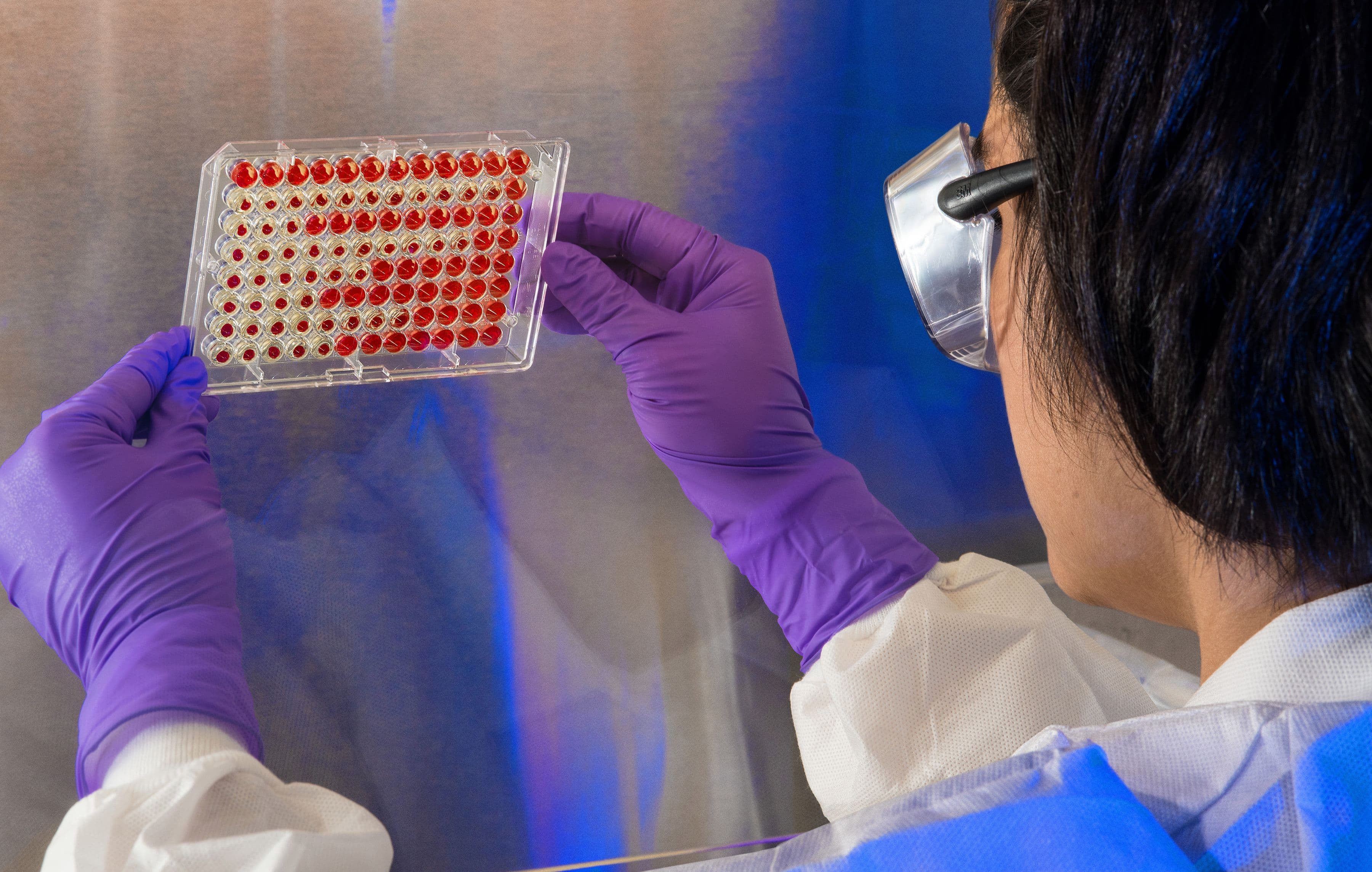
Wondering how to choose ELISA kit? Here are a handful of technical factors that decide whether a kit performs well in your hands or ends up sitting unused on a shelf somewhere.
Sensitivity is the smallest amount of target that the assay can reliably pick up above background, usually reported in picograms per milliliter. Detection range is the span between the lowest and highest points on the standard curve, and if your samples sit near either edge of that range, the results won't be reliable no matter how careful you are.
Cytokines are a good example of a low-abundance target, present in such tiny amounts that ordinary detection chemistry can miss them entirely. That's why some cytokine ELISA kits are also high-sensitivity ELISA kits, relying on amplified detection chemistry instead of a standard colorimetric readout.
Specificity comes down to the antibody's ability to bind only the intended target and leave similar molecules alone. Cross-reactivity becomes a real risk with protein families that share structural regions, cytokine subtypes being a notable example. This isn't a small concern either. Half of all commercially available antibodies do not meet basic standards of characterization, researchers estimate, according to a 2024 analysis published in eLife.
Serum, plasma, urine, cell culture supernatant, and tissue lysate each carry different proteins and salts that can interfere with antibody binding. A kit validated only for serum might show high background the moment you use it with supernatant, because the matrix itself isn't the same.
Reproducibility gets measured through the coefficient of variation, or CV, which shows how tightly replicate readings cluster together. Widely used lab guidance, according to Salimetrics, sets acceptable intra-assay CV below ten percent and inter-assay CV below fifteen percent. If a kit can't meet those numbers in its validation data, it's unlikely to do any better on your bench.
Some kits need overnight coating and precise timing, while others show up pre-coated and ready in under three hours. Neither is automatically better, so match the protocol length to the time your team actually has on assay day. It's also worth looking for a certificate of analysis and a real technical support contact, since thin documentation makes troubleshooting a lot harder down the line.
A cheaper kit that forces repeat runs because of poor reproducibility ends up costing more than a pricier kit that works the first time. Divide the kit price by the number of usable wells, and you'll get a far fairer comparison across brands than the sticker price alone would give you.
Price comparisons are easy, which is exactly why they mislead so many people. Two kits priced within a few dollars of each other can differ enormously in antibody quality and batch-to-batch stability. The best ELISA kit for one lab's target might turn out to be a poor fit for another lab studying a different protein entirely, so treat vendor claims as a starting point, not the final word.
Learning how to choose an ELISA kit that fits your budget without giving up data quality really comes down to asking suppliers for actual validation data instead of the specification sheet alone. Compare standard curves across at least two lots if the supplier is willing to share them, since batch variation is one of the more common reasons results fail to replicate.
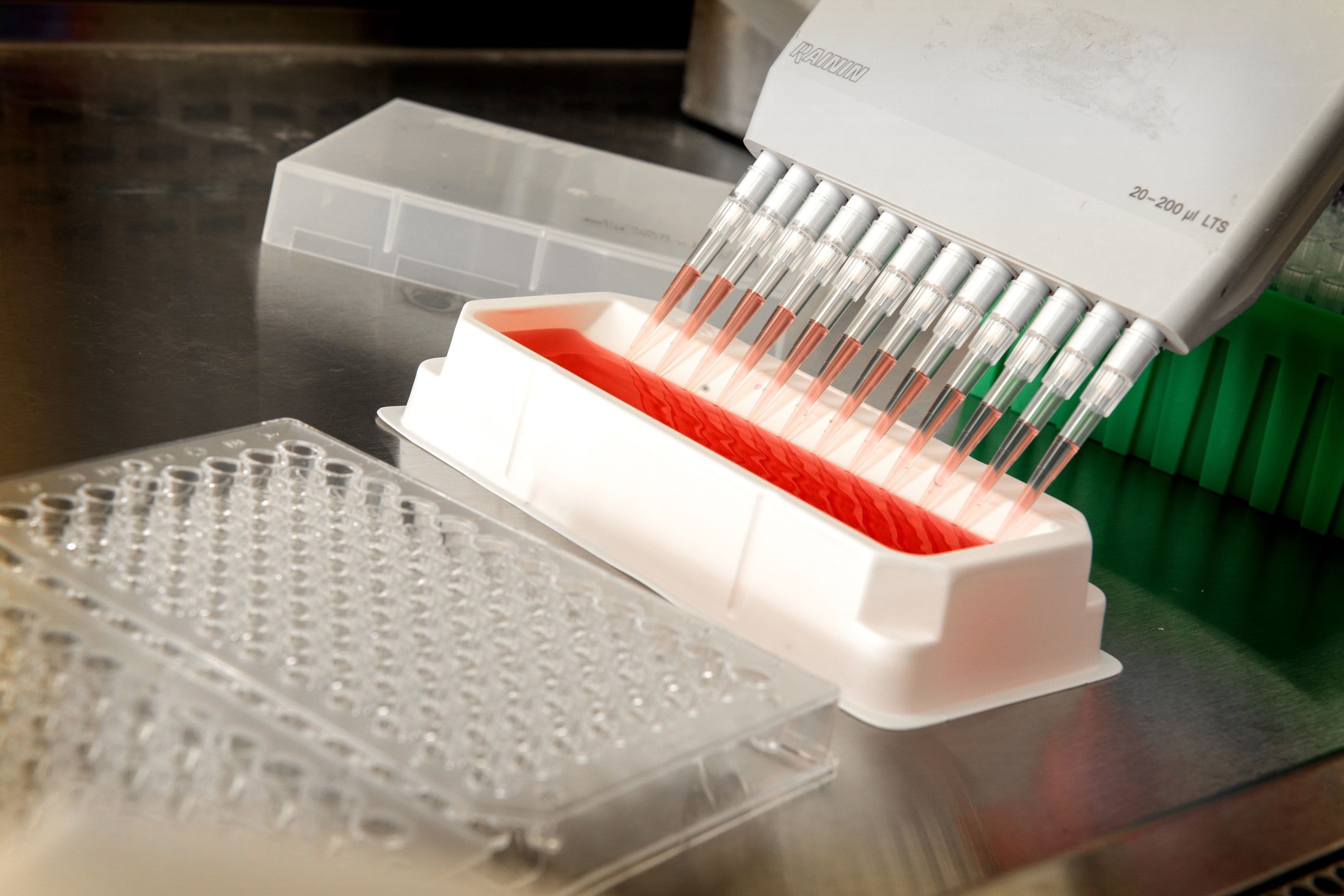
Even a well-chosen kit can turn out messy results once something in the protocol slips. Most ELISA problems fall into a small handful of recognizable patterns, and once you know which pattern you're looking at, the fix is usually obvious, often without needing to repeat the whole assay to figure out what went wrong.
This usually points to incomplete blocking, leftover wash buffer, or antibody concentrations set too high. Extend the blocking incubation, add an extra wash cycle, and double-check that the plate washer is actually emptying every well.
A weak signal often comes down to expired substrate, antibodies stored at the wrong temperature, or a standard curve that got diluted incorrectly. Check the expiry dates on every kit component first, since that single step alone resolves more failed runs than any protocol tweak.
Inconsistent results between wells or between days usually trace back to pipetting technique or incubation temperature drifting across the plate. Standardize the order you add reagents in, and time each step with a timer instead of going by feel.
At very high analyte concentrations, a sandwich assay can produce a falsely low reading, because excess antigen saturates the antibodies before a proper sandwich ever forms. Researchers call this the hook effect, and it's a mechanism examined in this analysis of high antigen concentration effects. Diluting suspect samples and re-running them at two or three dilutions usually catches this before it ever reaches your final dataset.
Ordering reagents online adds a layer of risk a walk-in supply counter never really had, mostly around temperature control during transit. Antibodies and enzyme conjugates need to stay cold or frozen all the way from warehouse to bench, and a few hours stuck in a hot delivery van can quietly wreck an antibody's activity before the box even reaches you.
Look for real-time tracking with temperature logging, not a shipping confirmation email alone, when you buy ELISA kit online from a new supplier. Record every lot number and expiry date the moment the kit arrives, since mismatched lots are a surprisingly common cause of shifted standard curves. A dependable ELISA kit supplier will list its cold chain packaging method right on the product page instead of leaving you to ask.
The plate that ruins a week fails because a kit got picked on price alone, or because nobody checked whether the antibodies were validated for that sample matrix. Selecting the right ELISA kit really isn't about finding the cheapest option. It's about matching sensitivity, specificity, and sample compatibility to your actual experiment.
Ready for your next run? Browse XL Biotec’s ELISA kit collection to compare formats and detection ranges or contact the technical support team with questions about a specific target before placing an order.
What is an ELISA kit and how does it work?
An ELISA kit uses antibody binding, and an enzyme linked color reaction to detect and measure a specific biomolecule in a liquid sample. Color intensity shows how much target is actually present.
What are the main types of ELISA assays?
The four main formats are direct, indirect, sandwich, and competitive ELISA. Each one uses a different antibody arrangement, which affects sensitivity and the sample type it suits best.
How do I choose the right ELISA kit for my sample type?
Check the datasheet to confirm the kit is validated for your exact sample matrix, serum, plasma, or supernatant, since a mismatched matrix often causes interference.
What is the difference between sandwich and competitive ELISA?
A sandwich ELISA produces a signal that rises with target concentration, while a competitive ELISA produces one that falls, since the sample competes with a labeled reference antigen.
What do sensitivity and detection range mean in an ELISA kit?
Sensitivity is the smallest amount of target that the assay can reliably detect above background. Detection range is the span between the lowest and highest points on the standard curve.
How do I reduce high background in an ELISA assay?
Extend the blocking step, add an extra wash cycle, and confirm the plate washer empties every well. High background is usually a washing issue, not a defective kit.
What causes poor reproducibility in ELISA results?
The most frequent causes are inconsistent pipetting and uneven incubation temperatures. Timing each step consistently, rather than by feel, fixes most of it.
How do I compare ELISA kits beyond price?
Ask suppliers for validation data and lot-to-lot consistency data instead of relying on the specification sheet. A kit that needs fewer repeat runs is often cheaper overall anyway.
What should I check before buying an ELISA kit online?
Confirm the supplier offers temperature-controlled shipping with tracking and record the lot number and expiry date the moment it arrives. Transit temperature excursions are a common failure cause.
Which ELISA kit brand is most reliable for research?
Reliability depends more on validation data for your specific target than on brand recognition. Look for published sensitivity and reproducibility data rather than choosing by name alone.
