Your list is empty
Add products to request a quote

Healthy skin is regarded as the major defense of the body, hence the reason why it becomes a great topic of biomedical and pharmaceutical studies. Researchers are still trying to find more effective methods to learn about skin regeneration, wound repair, inflammatory diseases, and the impact of environmental stressors. This has led to the need to develop reliable laboratory models to investigate the behavior of epidermal cells in controlled conditions.
As cell-based research, drug discovery, and regenerative medicine are on the rise, the global cell culture market size has been estimated to USD 30.44 billion and will rise to USD 70.72 billion by 2032. This growth underscores the need for consistent and reliable cell lines like HaCaT cells, which provide consistent and reproducible results across a wide range of laboratory applications.
As compared to primary keratinocytes, HaCaT cells can continuously grow and preserve most characteristics of normal human skin cells. In addition, they have been one of the most popular skin research cells worldwide due to their ease of maintenance, stability, and ability to differentiate.
Continue reading as this guide describes the purpose of HaCaT cells, why they are useful in skin studies, and how they advance the fields of wound healing, cosmetic research, and disease research.
HaCaT cells are a cloned line of human immortalized keratinocytes derived from adult skin. Keratinocytes constitute about 90 percent of the epidermis, and they are essential for maintaining the skin barrier, repairing damaged tissue, and protecting the body against external threats.
In contrast, primary keratinocytes eventually stop dividing, whereas the HaCaT cell line can survive and continue multiplying through subsequent passages while retaining most of the characteristics of normal human keratinocytes. Due to their biological relevance and continuous growth ability, HaCaT cells have become one of the most widely used laboratory models in skin research.
Today, scientists use HaCaT cells to test cellular responses to drugs, cosmetic ingredients, UV radiation, inflammatory conditions, and wound healing treatments. Moreover, their reproducibility enables laboratories to obtain consistent results across different experiments.
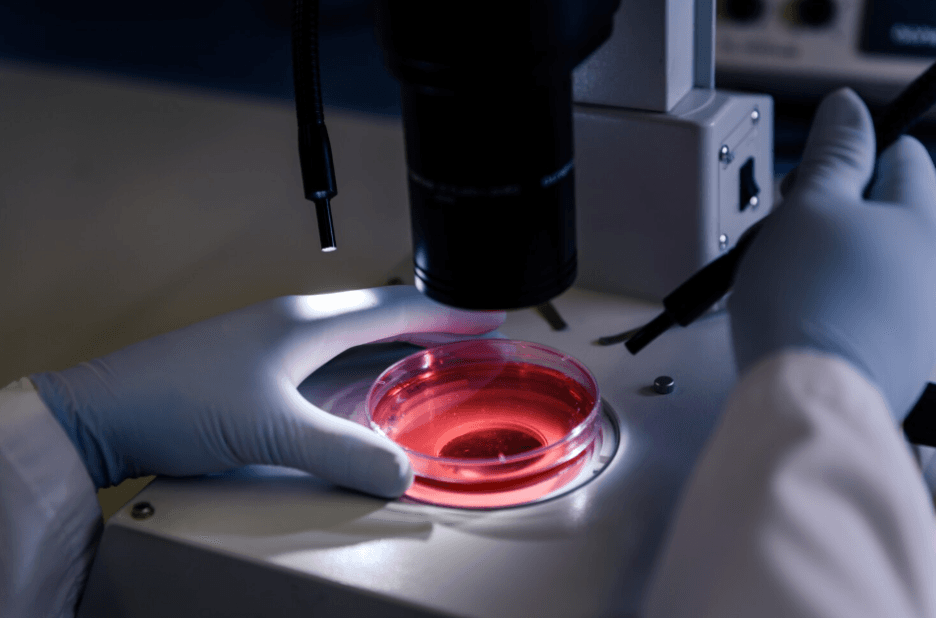
Laboratory models that resemble normal human skin are needed to understand the responses of skin cells to injuries, diseases, and environmental stress. Among these models, HaCaT cells have turned into an industry standard, as they retain most biological characteristics of healthy keratinocytes while offering greater stability than primary cells.
Furthermore, researchers have appreciated the HaCaT cell line due to its reliability as an in vitro skin model without the drawbacks of donor-derived skin cells. Additionally, their continuous proliferation lowers experimental variability and makes them suitable for long-term studies.
Another major advantage is their versatility. Scientists use HaCaT cells in several areas of research, such as wound healing, dermatology, toxicology, cosmetic science, regenerative medicine, and pharmaceutical development. As a result, this broad applicability has made them one of the most widely used keratinocyte models in skin research.
The HaCaT cell line is quite similar to normal keratinocytes in its structure and functions, making it of great value for laboratory research.
One of its defining characteristics is continuous keratinocyte proliferation, allowing researchers to maintain cultures for extended periods without the rapid senescence seen in primary cells. As a result, this supports experiments that require multiple passages and long-term studies.
In addition, HaCaT cells can also undergo differentiation when subjected to the right culture conditions. This process, known as HaCaT differentiation, allows researchers to study epidermal maturation, barrier formation, and changes in gene and protein expression during skin development.
Furthermore, the cell line exhibits stable growth characteristics, enabling laboratories to generate consistent data across different experiments. Consequently, these properties make HaCaT cells an ideal model for investigating both normal skin physiology and pathological conditions.
Depending on the purpose of their research, researchers usually choose between HaCaT cells and primary keratinocytes. Although both models offer unique benefits, they are suited to different research applications.
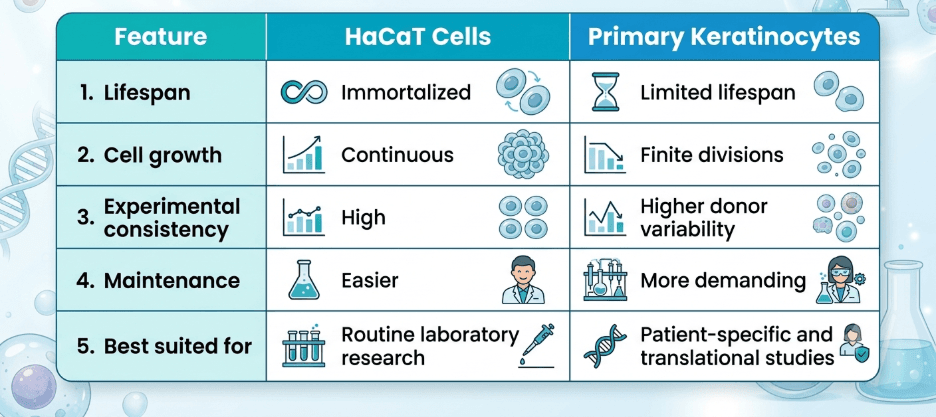
Primary keratinocytes closely resemble native human skin but require frequent isolation and have limited expansion potential. In contrast, HaCaT cells offer a stable and cost-effective model that supports long-term experiments and high-throughput screening studies. Additionally, their reproducibility makes them particularly valuable for wound healing research, drug discovery, and cosmetic testing.
HaCaT cells are a popular skin research cell line, as they closely resemble human skin cells (keratinocytes) and serve as an effective in vitro skin model.
1. Wound Healing Research
In this area, researchers use HaCaT cells in in vitro assays to study keratinocyte migration, tissue regeneration, and the effectiveness of wound-healing therapies.
2. Skin Toxicity Testing and Cosmetic Research
Similarly, HaCaT cells facilitate skin toxicity testing by evaluating the safety of cosmetic ingredients, chemicals, and pharmaceutical compounds before they undergo further testing.
3. Drug Discovery and Disease Research
In addition, the HaCaT cell line assists researchers in studying skin disorders, inflammation, cell signaling, and the therapeutic potential of new drug candidates.
4. UV Skin Research
Furthermore, HaCaT cells are widely used in UV skin research to investigate DNA damage, oxidative stress, photoaging, and cellular responses to ultraviolet radiation, thereby supporting the development of skin protection strategies.
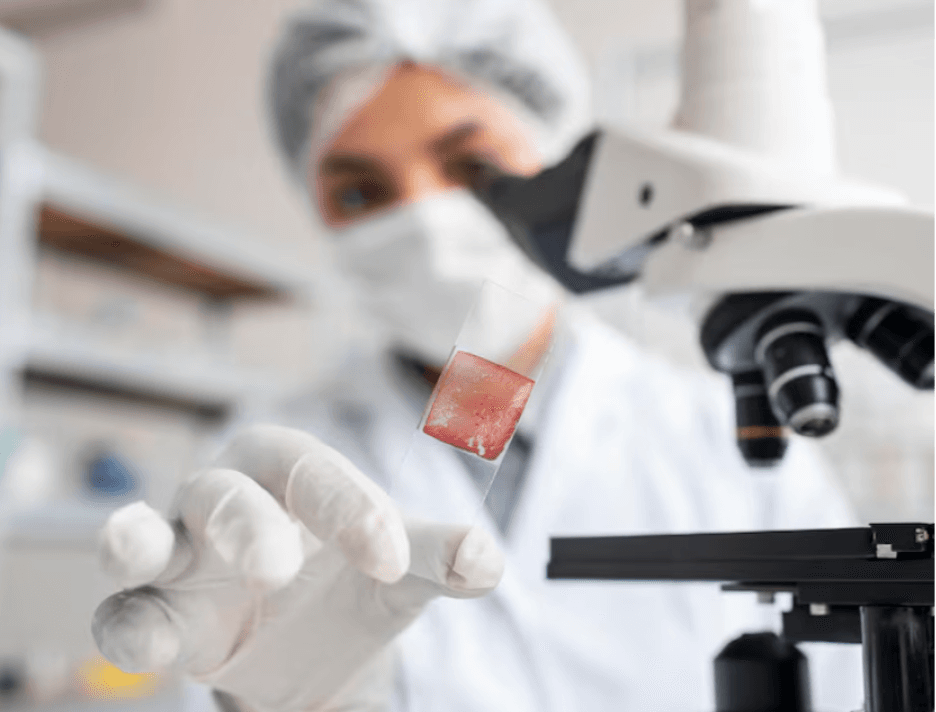
The initial step in successful HaCaT cell culture is ensuring optimal laboratory conditions that support healthy growth and produce reproducible results. To achieve this, researchers typically culture the cells in nutrient-rich media supplemented with fetal bovine serum and other suitable additives, following established laboratory protocols.
In addition, the use of aseptic techniques is essential to reduce contamination and maintain cell quality. During routine culture, researchers should periodically observe cell morphology, confluency, and growth patterns to ensure that the cultures remain healthy throughout the experiment.
Furthermore, consistent handling practices not only enhance experimental reproducibility but also help preserve the biological properties that make the HaCaT cell line valuable for skin research.
An important feature of HaCaT cells is their ability to undergo HaCaT differentiation, allowing researchers to study the maturation of keratinocytes and epidermal development.
Calcium plays a central role in this process. Increasing calcium levels in the culture medium promotes cell-to-cell adhesion, stimulates differentiation, and enhances the expression of proteins involved in skin barrier formation. As a result, researchers frequently use calcium-induced differentiation to investigate epidermal development, barrier integrity, and gene expression associated with healthy skin.
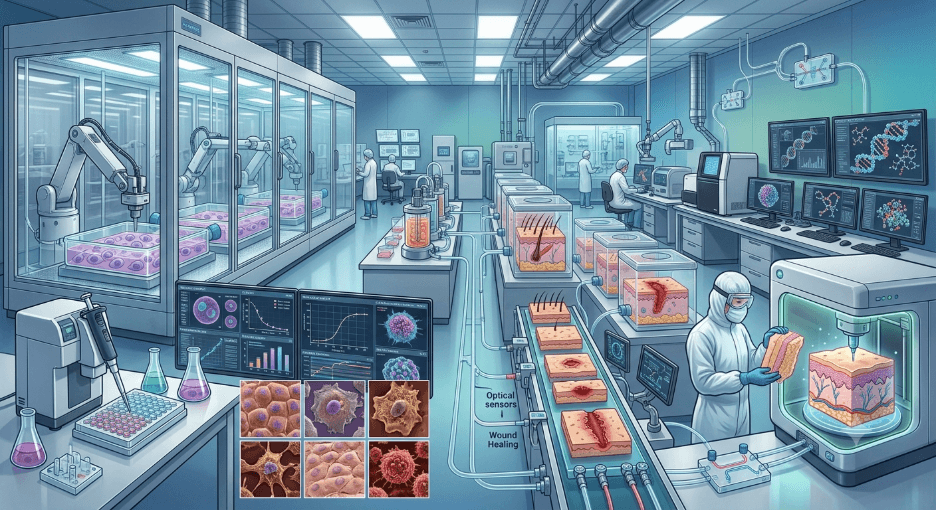
Proper handling helps maintain healthy HaCaT cell culture and ensures reliable experimental results. Laboratories should follow validated protocols, use sterile techniques, and monitor cultures regularly for changes in morphology or signs of contamination.
For long-term preservation, researchers typically store frozen HaCaT cells in liquid nitrogen using appropriate cryopreservation methods. Avoiding excessive passaging and maintaining consistent culture conditions also helps preserve the characteristics of the HaCaT cell line across multiple experiments.
HaCaT cells have become an indispensable tool for studying skin biology because they combine the biological characteristics of normal keratinocytes with the advantages of an immortalized cell line.
Their ability to support keratinocyte proliferation, undergo HaCaT differentiation, and function as a dependable in vitro skin model makes them valuable for wound healing studies, skin toxicity testing, cosmetic research, and UV skin research.
Looking for reliable cell culture products for your laboratory?
Explore XL Biotec biotechnology research solutions to support high-quality skin research and reproducible cell culture studies.
HaCaT cells are an immortalized human keratinocyte cell line originally derived from adult skin.
They provide continuous growth, greater reproducibility, and easier maintenance than primary keratinocytes.
HaCaT cells can divide continuously while retaining many biological characteristics of normal keratinocytes.
They retain key properties of epidermal cells, including keratinocyte proliferation and differentiation.
Researchers culture them using nutrient-rich media, sterile techniques, and routine monitoring of cell health.
Calcium promotes HaCaT differentiation by enhancing keratinocyte maturation and skin barrier formation.
Researchers use them to study cell migration, tissue regeneration, and the effectiveness of wound-healing therapies.
They are widely used for skin toxicity testing, irritation studies, and evaluating cosmetic and pharmaceutical ingredients.
Scientists use HaCaT cells to investigate inflammation, skin disorders, oxidative stress, and UV-induced cellular damage.
Use aseptic techniques, monitor cultures regularly, minimize excessive passaging, and store frozen cell stocks in liquid nitrogen following laboratory protocols.
