รายการของคุณว่างเปล่า
เพิ่มสินค้าเพื่อขอใบเสนอราคา

When researchers are studying RNA, precision is everything. A small amount of DNA mixed with an RNA sample can throw off data, creating signals that don’t originate from RNA. Those extra signals can cloud the issue, making it difficult to know what’s happening within cells.
To prevent this, scientists employ the use of DNase I. This enzyme breaks down DNA, so pure RNA isn’t contaminated and is ready for further analysis.
The value of DNase I is not appreciated until experiments go beyond sensitive techniques such as sequencing or gene expression analysis. If the DNA is not removed, results may appear erratic or misleading. What seems to be a robust signal for RNA can be due to leftover DNA.
test
Incorporating DNase I into the process, scientists then have a clean slate. This ensures the result is only owed to the investigated RNA, giving the experiment clarity and legitimacy.
Here are the key reasons DNase I matters and how it supports reliable RNA-based experiments.

Scientists dealing with RNA are often concerned with gene expression. They want to know which genes are activated, how strongly they are expressed, and when and where they are expressed. To quantify such patterns accurately, the RNA must be pure and undisturbed.
However, every cell contains DNA; while isolating RNA, DNA fragments will remain in the sample. Trace levels of DNA contamination are enough to change the result. Scientists process RNA samples with DNase I upon retrieval to ensure accuracy.
The DNase I mechanism of action is why it can cut DNA into very small pieces that no longer interfere with experiments. If it is handled well, it accomplishes this without breaking down RNA. This keeps the integrity of the information intact and retains the accuracy of the findings.
Technically speaking, DNase I acts like a sieve. It eliminates what is undesirable so that only the essential signal, the RNA, is left. That is why DNase I is employed with assurance in molecular biology laboratories as an excellent tool for good RNA-based studies.
Understanding why DNase I is so important in RNA-based science helps to explore exactly how it works.
DNase I is an enzyme, a protein that catalyzes chemical reactions within living organisms. Enzymes are different from all other proteins because they have extremely specific jobs. That job is simple but strong for DNase I: it eliminates DNA into small fragments to no longer interfere with RNA research.
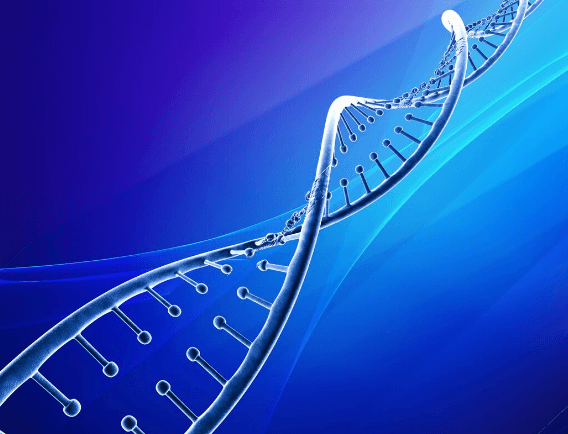
DNA comprises long double strands that assume the well-known double helix. The strands are stable but susceptible to the action of DNase I. When DNA is subjected to DNase I, it binds to the strands and cuts the chemical bonds holding the nucleotides together. During this process, whole DNA molecules are reduced to pieces of numerous diverse sizes. Once they are fragmented, they cannot interfere with experiments anymore.
One of the biggest advantages of DNase I is that it is discriminatory. Although highly effective against DNA, it will not degrade the RNA when researchers use an RNase-free DNase I. This preserves the RNA’s intact state while completely removing the DNA contamination.
The process is fast, precise, and efficient. Within minutes, DNase I can transform a highly contaminated DNA sample into a purified RNA sample ready to be analyzed precisely in sensitive downstream assays.
One of the main reasons that DNase I is of value in RNA research is that RNA is extremely sensitive relative to DNA. DNA is very stable, while RNA may be quickly destroyed by enzymes known as RNases. These RNases are difficult to keep from interacting with because they are almost everywhere, from dust particles present in the air to minute residue on lab benches and even on the hands of a researcher. A single trace of RNase is enough to ruin a sample and make it useless.
It is necessary to note that RNase-free DNase I plays its role. Unless DNase I is properly cleaned, it may have RNase contamination, which could harm RNA. Instead of having a purified RNA sample, the treatment may be responsible for killing the substance being studied. Researchers can eliminate this risk through the use of RNase-free DNase I.
The RNase-free purity warranty ensures DNA hydrolysis in isolation, and the integrity of RNA is intact. This protection allows researchers to continue with sensitive downstream assays such as reverse transcription, RNA sequencing, and PCR without risk of sample loss. In this way, RNase-free DNase I safeguards fragile RNA and makes experimental results far more reliable.
DNase I is essential in RNA-based procedures because it helps DNA contamination removal.
During the isolation process of RNA, it is almost impossible not to transfer some level of DNA from the original sample. Even small amounts can impact results, especially in sensitive techniques such as RT-PCR or RNA sequencing. If there is DNA present, it can be amplified with RNA, providing signals that are not a true reflection of gene expression.
By giving samples a treatment with DNase I, this issue is eliminated. The enzyme cleaves DNA into small pieces that no longer disrupt analysis. After cleaning out the contamination, the data obtained only contains the interesting RNA. This complete separation is crucial to accuracy, and scientists can use it to study the activity of genes without being misled by background signals.
Also, DNase I ensures that RNA-based experiments measure what they ought to. Without it, everything becomes confused, but with it, the results are cleaner, more precise, and of far better significance.
Another reason why DNase I is vital is its role in RNA isolation. RNA isolation from tissues or cells is a highly sensitive operation, and however delicate it is, some DNA residue always lingers in the end preparation. Unless these residues are dealt with, they will hamper further operations and taint the whole process.
Including DNase I in the RNA isolation process circumvents this outcome.
After RNA isolation, DNase I treatment ensures that any DNA present is broken down before the sample can be used for downstream analysis. The simple addition fortifies the process by giving the experiment a cleaner, more consistent starting point.
The benefit of this approach is achieved in handling techniques such as transcriptomics, RNA sequencing, or real-time PCR. Because DNase I removes DNA contamination at the very first step, researchers do not spend time troubleshooting downstream or re-running experiments. Instead, they can count on their purified RNA being ready for accurate analysis.
For that purpose, DNase I for RNA isolation helps to accomplish more than just DNA digestion; it maintains the integrity of RNA isolation procedures so that scientists can have confidence that each step will seamlessly lead to legitimate results.
Reliability in RNA-based experiments is not just in using DNase I but also in choosing the right type.
Not all enzymes are made with the same quality of care, so molecular-grade DNase I is required. It is made and explicitly quality-tested for research applications where sample integrity cannot be compromised.
Molecular grade DNase I is purified and assured to be free of RNase contamination. This ensures that RNA is fully protected while DNA gets degraded efficiently. Lower-grade enzymes, however, become contaminated with impurities or traces of RNase that degrade RNA. Their usage can lead to adulterated samples, inconsistent results, and wasted time.
Using molecular-grade DNase I, researchers can rest assured that their samples will not be affected throughout the procedure. This is handy when delicate processes such as RNA sequencing or quantitative PCR are involved, and trace contamination or degradation can change the outcome.

The other reason DNase I is so useful in RNA-based experiments is that it rescues researchers from complications that slow progress. When DNA contamination is not addressed, its effects tend to show downstream in the experiment as background signals, failed negative controls, or an inability to see consistency between replicates. The problem is not always obvious then. Researchers can spend hours troubleshooting, repeating assays, or even redoing an experiment from the beginning. Each delay squanders time, money, and faith in the results.
Besides, the addition of DNase I to the workflow changes this outcome. Treating RNA samples with DNase I at the first step removes DNA contamination when it is most likely to interfere with downstream applications. Techniques such as reverse transcription, RNA sequencing, or quantitative PCR.aspx) then proceed with fewer technical issues. This makes the entire workflow more reproducible and less likely to be delayed.
Remember, the real benefit is efficiency. With DNase I, scientists spend less time fixing damage and more time analyzing applicable data. By doing so, DNase I is not only protecting sample integrity but also helping laboratories maximize their resources.
Good research relies on outcomes that are accurate and reproducible.
If an experiment yields one response one day and a different one the next, it is not easy to have confidence in the results. A frequent cause of this issue in RNA-based research is residual DNA. Not much contamination is needed to provide false signals, which result in data that is different from run to run.
Also, this issue is much reduced by introducing DNase I into the RNA preparation process. The enzyme removes DNA contamination upfront, leaving RNA samples to give a cleaner and more reproducible signal. Scientists are more likely to obtain the same result when they repeat experiments, which increases their confidence in their findings.
This uniformity is especially important in large studies or joint projects where information must be consistent across different groups. With DNase I treatment, RNA samples form a consistent foundation for comparison. In this way, DNase I optimizes the quality of single experiments and makes research projects reproducible, thereby making the results more meaningful and authentic.
Reliable information is the cornerstone of successful research. DNA contamination can introduce signals that mask the true image of RNA activity in RNA-based experiments, even when only trace amounts of DNA are present. Such uncertainty complicates the interpretation of results and challenges the validity of conclusions.
Sample treatments with DNase I reduce this risk. The enzyme breaks down the contaminating DNA, so RNA is the only signal source. With a purer sample, scientists can be more certain that their measurements accurately reflect true RNA expression, rather than DNA interference.
Confidence also builds when tests are run repeatedly. Because DNase I helps to provide consistent results across runs, scientists can trust that the data is replicable and not based on chance.
Through reliability and consistency, DNase I builds confidence in experimental findings, allowing conclusions based on accurate, solid data that can withstand further testing and validation.
The value of DNase I in RNA experiments is also very dependent on the quality of the enzyme itself. Less carefully manufactured or mishandled DNase I can be performance-impaired. Contaminations, loss of activity, or RNase contamination affect the outcome of sensitive RNA experiments.
Due to this, it is essential to purchase DNase I from trusted and reputable sources only. Reliable sources provide molecular-grade, RNase-free DNase I that has been strictly tested to meet research-grade qualities. They also follow proper storage and shipping procedures to maintain the stability and activity of the enzyme upon receipt in the lab.
By ordering from trustworthy suppliers, researchers are confident that their DNase I will perform exactly as required. This assurance safeguards sample integrity, ensures data accuracy, and reduces the risk of failed experiments. In short, the use of the right source of DNase I directly translates to reliable results.
Accuracy, dependability, and confidence in the final data are the cornerstones of research progress.
In RNA-based experiments, DNA contamination remnants can potentially ruin such trust and render the data unusable. DNase I is a simple but elegant solution. DNA can be eliminated in excess without damaging RNA, and the signal quantified is proportional to the RNA activity.
In doing so, DNase I is of special importance. Its mechanism of action degrades DNA efficiently, but RNase-free preparations keep labile RNA unscathed. DNase I facilitates easy and efficient research by stabilizing RNA isolation procedures, saving time, and preventing experimental errors. Molecular-grade quality provides additional confidence, ensuring the absence of contaminants’ impact on results.
All these applications add up to the same: DNase I is not just another reagent, but an insurance policy for consistent RNA-based research. Maintaining clean samples and consistent data still counts in achieving results; researchers feel secure in conducting more experiments.
