รายการของคุณว่างเปล่า
เพิ่มสินค้าเพื่อขอใบเสนอราคา

Key Takeaways:
Interleukin-2 has become a staple in immunology since its discovery about five decades ago. While used in diverse immunological experiments, the molecule is especially noted for its role in cancer research programs.
Studies have demonstrated that interleukin-2 plays a critical role in inducing the apoptosis of malignant tumors. The molecule can also decelerate the metastasizing of cancerous cells, slowing down cancer progression significantly.
Due to its tremendous success in cancer research, interleukin 2 has since been approved for treating renal cell carcinoma and metastatic melanoma. Many researchers consider the compound a double-edged sword due to its somewhat polarizing effects on the immune system.
On the one hand, IL-2 stimulates the growth and proliferation of various cells that combat malignant tumors, including T-Cells, Natural Killer (NK) cells, and B-cells. Yet, on the other hand, the molecule regulates the expression of immune cells. That double-edged attribute makes this natural protein all the more intriguing.
Read below as we explore interleukin-2 and its role in supporting natural immune processes.
Interleukin-2 (IL-2) is a pleiotropic cytokine produced by stimulated T-cells, which supports the expression, expansion, and differentiation of T lymphocytes. The protein notably promotes the viability of regulatory T-cells (Tregs) and the effector T-cells (Teffs).
According to multiple immunological experiments, increased interleukin 2 activity may induce the apoptosis (death) of malignant cells. That explains the molecule’s widespread application in cancer research programs.
Interleukin-2 was discovered in 1976 by a team of researchers, including Doris Morgan, Robert Gallo, and Francis Ruscetti. While trying to culture human T-cells for retrovirus study, the trio observed that IL-2 fostered long-term in vitro proliferation of T lymphocytes.
Right from its discovery, interleukin-2 cytokine function was largely defined as a T-cell proliferator. Subsequent studies revealed the protein was involved in many other immune functions.
As interest in IL-2 grew, researchers eventually cloned the human IL-2 gene and its coding sequence in 1983. This groundbreaking development enabled the production of recombinant human interleukin-2.
In 1984, researchers identified the receptor components impacted by interleukin-2 - IL-2Rα/CD25. The discovery prompted a closer examination of how IL-2 interacts with immune cells.
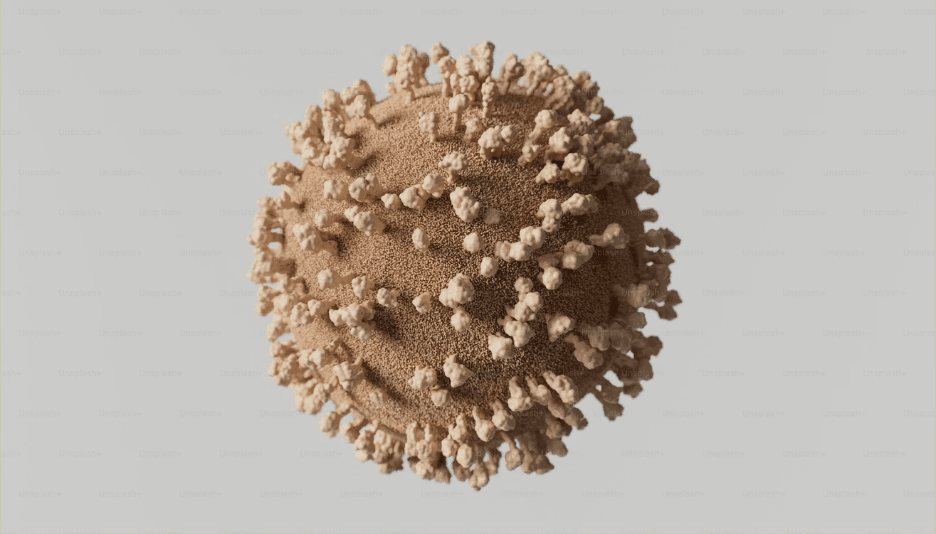
To understand interleukin-2’s effects on immune cells, it’s imperative to investigate its signaling pathways.
When stimulated, interleukin-2 activates the production and expression of T-cells, B-cells, and NK cells. This mechanism clues malignant cells to release chemicals that kill them.
Experiments involving interleukin-2 in tissue cultures have shown that the cytokine signals via a vast receptor complex consisting of CD25 (IL-2Rα), CD122 (IL-2Rβ), and CD132 (γc). Common IL-2 signaling pathways include;
When signaled, interleukin-2 stimulates T-cell production. The activated T-cells subsequently express high CD25 levels.
IL-2 then binds to the IL-2R complex, promoting interleukin-2 T-cell proliferation. This also marks the onset of cell cycle progression.
Multiple IL-2 in T-cell culture experiments have demonstrated that the cytokine plays a fundamental role in T-cell expansion, differentiation, and survival. IL-2 notably exerts its influence on the antigen-activated CD4+ and CD8+ T-cells.
But the effects aren’t entirely unidirectional. While investigating IL-2's role in T-cell activation, researchers have also observed immunoregulatory properties.
Interleukin-2 upregulates T-cells and causes them to express the high-affinity CD25 receptor. This mechanism supports rapid T-cell proliferation, bolstering overall immunity.
On the other hand, IL-2 maintains a stable Treg population. This double-edged phenomenon makes interleukin-2 essential in destroying malignant cells while supporting healthy immune cells.
One of the most revolutionary interleukin-2 cell culture applications is in investigating cancer development. The molecule notably supports the research of metastatic melanomas and kidney cancers, with recent findings suggesting it might help with other cancer studies.
IL-2 in CAR-T cell expansion activates the rapid proliferation and survival of CAR-T cells, a mechanism critical for tumor cell apoptosis. The cytokine promotes the expansion of CAR-T cells without altering their foundational structures and functionality. Its sustained antitumor activity can decelerate, reverse, and prevent the future recurrence of cancerous tumors.
Using IL-2 concentration for T-cell culture has uncovered the molecule’s other immune-aiding roles. As well as promoting general T-cell proliferation, the cytokine also supports the differentiation of naïve T-cells into helper immune cells like Th1 and Th2.
Besides, IL-2 promotes the transcriptional and metabolic programs required for healthy cellular development.
Some may contend that IL-2’s immunoregulatory effects could make it potentially counterproductive to immune-boosting processes. However, by expanding Tregs, this protein plays a significant inhibitory role against autoimmune disorders.
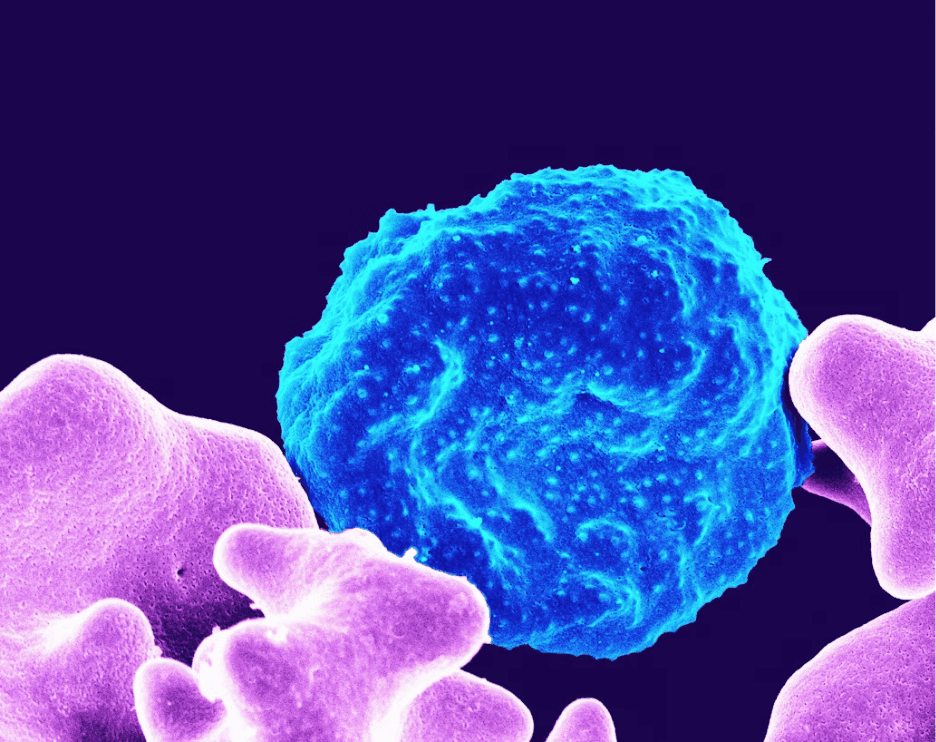
The immune system is a complex network of cells, including keratinocytes, T cells, NK cells, etc. As noted, interleukin-2 notably upregulates T-cell proliferation.
The molecule plays two foundational immune-boosting functions.
This doubled-edged role ensures a balance, keeping diseases at bay while preventing immune cells from turning against themselves. The net effect? Improved immune functions.
Various interleukin-2 immunotherapy research programs indicate the molecule may offer other therapeutic applications besides destroying cancerous cells.
For starters, IL-2 is a cytokine - a class of proteins renowned for their anti-inflammatory properties. Supplementing with the molecule may help combat inflammatory diseases, including skin breakouts and inflammatory bowel disease (IBD).
Below are other ailments that are potentially treatable or preventable with IL-2 activation.
Studies have shown that Interleukin-2 immune response regulation causes selective immunosuppression, reducing the risks of autoimmune conditions like Systemic Lupus Erythematosus (SLE).
In fact, some research suggests CD25-biased IL-2 variants may enhance tumor-infiltrating effector T-cells besides Tregs. This demonstrates a higher promise for treating autoimmune diseases.
Chronic Spontaneous Urticaria (CSU) is another autoimmune disorder that’s manageable with increased IL-2 activity. Administering low-dose IL-2 induces Treg expansion while suppressing Th17-mediated inflammation, improving CSU symptoms.
Researchers have observed a similar mechanism in other autoimmune disorders, such as Type 1 Diabetes and Rheumatoid Arthritis (RA).
The use of IL-2 cytokine in immunology research has transformed our understanding of immune cells.
As noted, IL-2 notably aids T-cell proliferation and differentiation. The cytokine causes activated CD4+ and CD8+ T cells to expand, inducing cancer cell apoptosis.
Interleukin-2 also supports NK cell activation for improved immunity. Its regulatory roles on Tregs guard against autoimmune attacks, boosting overall immune functions.
For enhanced effects during immunological experiments, researchers often use recombinant IL-2 drugs like Aldesleukin (Proleukin). Dosages typically depend on the project at hand.
High interleukin-2 quantities support cancer immunotherapy by inducing T-cell proliferation, while lower doses help regulate Treg function.
While interleukin-2 is naturally harmless, supplements may trigger certain undesired effects. Common adverse events include;
While these adverse events are generally mild and short-lasting, you can reduce their occurrence by having IL-2 supplements given by a qualified therapist. The protein is typically administered intravenously to shorten its onset time and increase its bioavailability.
Interleukin-2 is a critical immunoregulatory cytokine that serves both as an immune stimulator and suppressor. The protein has played an instrumental role in cancer research programs, thanks mainly to its ability to support T-cell proliferation.
When activated, interleukin 2 exerts its effects via several receptors (including CD25, CD122, and CD132), stimulating T-cell expansion. The molecule also inhibits these receptors via drugs like Basiliximab, thereby supporting immunosuppression in transplant patients.
Interleukin-2’s double-edged effects explain its widespread application in immune research programs. Many researchers have since approved the molecule for treating kidney cancer and metastatic melanomas, a nod to its potent immunoregulatory effects.
More exciting is that interleukin-2 is now available in recombinant drugs. The protein is commonly administered via intravenous infusions, helping support immune research in patients with marked deficiencies.
For maximum effects, insist on getting IL-2 administered in a hospital by a board-certified therapist. This ensures you’re getting the right dosage and minimizes severe adverse events.
1. What is interleukin-2?
Interleukin-2 is a type of cytokine that regulates immune cell activities, notably by upregulating T-cells, B-cells, and NK cells.
2. What does IL-2 do to the body?
Interleukin-2 promotes T-cells expression, proliferation, and differentiation, while also playing immunoregulatory roles.
3. What ailmentsis IL-2 used for?
While interleukin-2 has predominantly been used in cancer treatment, emerging findings also point to its role in managing autoimmune disorders like SLE and RA.
4. How do IL-2 doses compare?
High interleukin-2 dosage is generally used to stimulate T-cell proliferation in cancer immunotherapy, while lower doses help regulate Treg function to combat autoimmune diseases.
5. Is IL-2 supplementation safe?
While generally safe if administered in hospital settings, interleukin-2 supplementation may trigger adverse effects like fever, chills, hypotension, and vascular leak syndrome.
