รายการของคุณว่างเปล่า
เพิ่มสินค้าเพื่อขอใบเสนอราคา

Introduction: The skin, our body’s largest organ, serves as a protective barrier, and understanding its biology is essential for addressing various dermatological concerns. In this blog post, we’ll dive into the fascinating world of HaCaT cells, a widely used keratinocyte cell line, and how they have become instrumental in advancing dermatological research. We’ll explore their applications, the critical role of reagents, and how they contribute to breakthroughs in understanding skin biology and its implications for wound healing, skin diseases, and skincare product development.
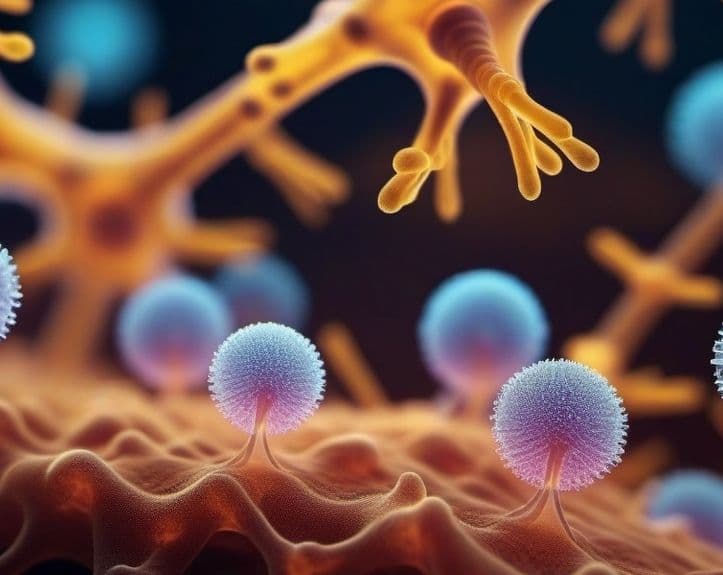
[HaCaT Cells: A Valuable Resource in Dermatological Research](https://cls.shop/HaCaT/300493) HaCaT cells are an immortalized human keratinocyte cell line, derived from normal human adult skin. They have gained prominence in dermatology research for several reasons. Not only do they closely resemble primary keratinocytes, but their continuous growth makes them a practical and ethical alternative to using primary skin cells.
Applications in Dermatological Research HaCaT cells have made significant contributions to our understanding of skin biology, including:
The Crucial Role of Reagents To harness the full potential of HaCaT cells in dermatological research, the use of essential reagents is paramount:
Future Prospects and Ongoing Research Dermatological research continues to evolve, with HaCaT cells and related reagents playing a pivotal role. Researchers are exploring tissue engineering applications, novel therapeutic approaches for skin diseases, and innovative skincare products that benefit from a deeper understanding of skin biology.
Conclusion HaCaT cells have become invaluable in dermatological research, shedding light on skin biology, wound healing, skin diseases, and skincare product development. Through the synergy of HaCaT cells and essential reagents, researchers and industry professionals are making strides in improving our understanding of the skin and addressing a wide range of dermatological concerns.
