รายการของคุณว่างเปล่า
เพิ่มสินค้าเพื่อขอใบเสนอราคา

You have probably come across **DMEM medium** if you work in biomedical research, drug development, or industrial biotechnology. Dulbecco’s Modified Eagle’s Medium (DMEM) is one of the most widely used basal cell culture media worldwide.
Harry Eagle developed this nutrient-rich liquid in the 1950s, and Renato Dulbecco later modified it. Now, it is the most important part of mammalian cell biology. With the global cell culture market valued at USD 19.13 billion in 2025 and projected to grow at a 12.94% CAGR from 2026 to 2033, DMEM-based formulations remain at the center of that growth.
Anyone who is setting up a new lab, improving an old protocol, or choosing media for industrial bio-production needs to know what DMEM medium is used for in cell culture. This guide goes into great detail about composition, uses, preparation, and best practices.
Brief History of DMEM
In 1959, Harry Eagle invented Eagle’s Minimal Essential Medium (MEM) so that it was possible to keep human and mouse cell lines alive in vitro. MEM was effective in simple applications, but failed with rapidly dividing cell types or those that required a lot of energy. This was rectified by Renato Dulbecco who added additional amino acids and vitamins, which resulted in what is currently used as the **DMEM cell culture medium** by researchers.
In later decades, manufacturers produced other versions using high glucose, low glucose, pyruvate, and phenol-red-free to meet the different experimental and production demands. This versatility has made DMEM the gold standard in cell biology in the last 60 years.
Core Components of DMEM Cell Culture Medium
All components of the DMEM medium have defined biochemical activities, and the combination of these components provides an environment that closely mirrors the nutrient supply mammalian cells receive in living tissue.
DMEM is a source of both essential and non-essential amino acids, including L-arginine, L-glutamine, L-lysine, and L-methionine, required in protein synthesis, the production of enzymes, and DNA synthesis.
L-glutamine is the primary nitrogen source for most cell types, but it degrades at 37°C within approximately one week. For longer-term cultures, many labs use GlutaMAX, a stable dipeptide form of glutamine.
Vitamins such as choline chloride, folic acid, nicotinamide, riboflavin, and thiamine are cofactors and coenzymes in metabolic pathways. Cellular metabolism ceases when there is a vitamin deficiency, particularly in cancer lines and primary cultures that grow quickly.
Sodium chloride, calcium chloride, potassium chloride, and magnesium sulfate are all inorganic salts that help maintain ionic balance in mammalian cells by regulating osmotic pressure, ion transport, and membrane potential.
Glycolysis and oxidative phosphorylation use glucose to make ATP. There are two types of DMEM: high-glucose (4,500 mg/L) for cell lines that divide quickly and low-glucose (1,000 mg/L) for primary cells and metabolic studies that require physiological conditions.
Sodium bicarbonate (NaHCO₃) maintains a pH between 7.2 and 7.4, which is the range most important for mammalian cell survival. This is done by working with the incubator CO₂ (5–10%).
Phenol red is a pH indicator that changes color depending on pH: orange-red at neutral, yellow at acidic, and pink at alkaline. Phenol-red-free versions are suitable for fluorescence microscopy and estrogenic studies, where standard phenol red introduces artefacts.
What Is DMEM Used For In Cell Culture?
The scope of DMEM is broad, spanning biology, medicine, and industry. These are the main areas where DMEM cell culture medium is indispensable.
Why DMEM Is Used for Mammalian Cells
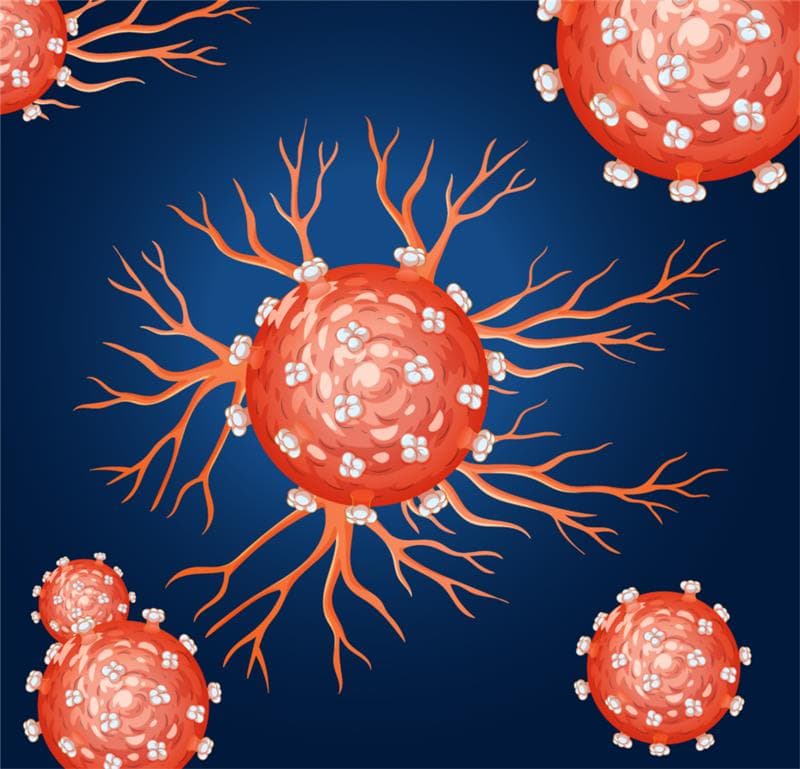
Why DMEM is used for mammalian cells comes down to a fundamental biological reality: mammalian cells can’t synthesize all the vitamins and amino acids they need on their own. The culture medium needs to give them enough of what they need from the outside. DMEM’s amino acid content is four times higher than that of the original MEM, which reliably meets this need.
Beyond nutrition, mammalian cells are very sensitive to changes in osmolality, pH, and ion imbalance. The salt and bicarbonate buffers in DMEM handle all three at once. It is also more like the in vivo tissue environment than simpler formulations because it can be used with CO₂-controlled incubation.
Research showed that DMEM achieved higher cell viability and passage efficiency across multiple mammalian cell lines than RPMI-1640 and MEM under the same conditions.
DMEM Formulation Variants Compared
High Glucose vs. Low Glucose DMEM
| | | |
| Feature | High Glucose DMEM | Low Glucose DMEM |
| Most Appropriate For | Fast-dividing lines (HeLa, HEK 293, CHO) | Adipocytes, primary cells, and metabolic studies |
| Effect on Metabolism | Supports Warburg-effect cancer research | Mimics normal levels of glucose in the body |
| Main Uses | Virology, oncology, protein production | Research on diabetes, insulin signaling, and fat cell formation |
DMEM vs. Other Common Cell Culture Media
| | | | | |
| Medium | Primary Use | Glucose | CO₂ Req. | Serum Compatibility |
| DMEM | Mammalian cell lines (broad) | High/Low | 5–10% | High (FBS standard) |
| RPMI-1640 | Lymphocytes, hematopoietic cells | Moderate | 5% | Moderate |
| DMEM/F-12 (1:1) | Stem cells, serum-free systems | Mixed | 5% | Often serum-free |
| McCoy’s 5A | HeLa, synovial cells | Moderate | 5% | High |
How to Prepare DMEM Medium
Knowing how to prepare DMEM medium properly prevents the most common causes of culture failure. You will need DMEM powder or liquid concentrate, ultrapure (Type I) water, sodium bicarbonate, 1N HCl, and 1N NaOH. You will also need a 0.22 µm membrane filter, a Class II biosafety cabinet, a calibrated pH meter, and a magnetic stirrer.
DMEM Supplements and Serum
Basal DMEM alone frequently fails to meet the requirements of specialized cell types. Researchers add to their work based on what they need:
| | | |
| Fetal Bovine Serum (FBS) | Hormones, adhesion proteins, and growth factors | 5–20% v/v |
| Penicillin-Streptomycin | Coverage with a broad-spectrum antibiotic | 100 U/mL + 100 µg/mL |
| Non-Essential Amino Acids (NEAA) | Lessens metabolic stress | 0.1 mM |
Serum-free DMEM systems are becoming more popular for GMP biomanufacturing and clinical-grade cell therapy. DMEM/F-12 mixed with specific supplement cocktails works consistently, with no variability across animal sources.
Common Mistakes When Using DMEM
Quality Standards and Storage
DMEM needs to be of high quality: it must be sterile, as required by USP <71>; it must have endotoxin levels less than 1 EU/mL at research grade (less than 0.1 EU/mL at GMP); it must have an osmolality between 290 and 340 mOsmol/kg; and it must have a pH of 7.2-7.4 at 37°C in 5% CO₂.
Nutrient levels should also be compared with the supplier’s Certificate of Analysis.
Liquid DMEM of unknown concentration can be stored for up to 18 months at 4 °C in the dark. Powdered DMEM in sealed, dry packaging is stable at room temperature between 2 and 5 years. Complete medium, FBS, and L-glutamine should be used within four weeks.
DMEM Quick Reference Summary
| | |
| Developed By | Harry Eagle (1959), modified by Renato Dulbecco |
| Glucose Variants | High (4,500 mg/L) \| Low (1,000 mg/L) |
| Common Additives | FBS, GlutaMAX, Pen-Strep, NEAA, Pyruvate, HEPES |
| Storage — Powder | Room temperature, 2–5 years (sealed) |
| Key Industries | Pharma, biotech, academia, cell therapy, vaccine manufacturing |
Final Thoughts
DMEM medium is the backbone of mammalian cell culture, not by chance, but because it has proven effective in research, pharmaceuticals, and industry for decades. Its carefully balanced mix of amino acids, vitamins, salts, and glucose gives mammalian cells exactly what they need. Still, it can’t make itself in an environment that closely mimics living tissue.
The quality of your results will depend on the right DMEM formulation and preparation protocol, whether you are culturing stem cells for regenerative medicine, propagating viral vectors for gene therapy, or screening drug candidates against cancer cell lines.
Choosing DMEM isn’t just a matter of tradition; it’s a choice supported by years of scientific research, a growing body of comparative research, and the needs of modern biotechnology. Put money into fully understanding it, and your cultures will show that investment.
DMEM Medium Frequently Asked Questions
DMEM is useful in the growth and survival of a large variety of mammalian cells, such as fibroblasts, cancer cell lines, neurons, and stem cells. It is also used to grow viruses, find new drugs, test for toxicity, and make things in a lab.
DMEM containing high glucose (4,500 mg/L) would be suitable in the case of an immortalized cell line, which divides rapidly. Primary cells and adipogenic and metabolic studies should be performed in low-glucose DMEM (1,000 mg/L) to more closely approximate normal glucose levels.
Mammalian cells are not able to synthesize all the required amino acids and vitamins. DMEM supplies these at fourfold the original MEM concentration, and its salt content and CO2-compatible buffer are highly similar to those in the in vivo environment.
Dissolve DMEM using ultrapure water, and then add sodium bicarbonate, adjust the pH to 7.2-7.4, increase the volume to the final level, and filter through a 0.22 um filter. Don’t ever autoclave. Cleanly add supplements and store at 4 °C.
Yes. Defined insulin-transferrin-selenium (ITS) supplements can work as a replacement for FBS in serum-free DMEM systems. These have become quite common in GMP production and in clinical-purpose cell therapy.
