รายการของคุณว่างเปล่า
เพิ่มสินค้าเพื่อขอใบเสนอราคา

Successful cell culture begins with selecting the right cell culture media, as it directly influences cell growth, viability, and experimental reproducibility. Among the available basal media, DMEM is one of the most widely used for culturing mammalian cells because of its nutrient-rich composition and versatility.
Moreover, the cell culture market in the world was estimated to be USD 19.39 billion in 2025, indicating the rising need for biopharmaceutical development and cell-based research. As a result, this trend creates emphasis on the significance of quality media such as DMEM in contemporary life science laboratories.
However, successful DMEM cell culture involves more than selecting the right medium. In addition to this, to produce homogeneous and valid results, researchers need to select the right formulations, supplements, and handling of the same.
Therefore, this guide will tell you about DMEM composition, typical use cases, storage advice, and best practices for using DMEM medium in cell culture.
DMEM (Dulbecco Modified Eagle Medium) is a nutrient-containing basal medium based upon Eagle Minimal Essential Medium (MEM). It contains increased levels of amino acids, vitamins, and glucose, and it is used to grow and maintain mammalian cells in research laboratories.
Additionally, being one of the most popular cell culture media, DMEM contains the necessary nutrients that sustain cell growth, metabolism, and viability. Furthermore, with the addition of serum and other supplements, researchers can design a complete growth medium that fits cell types and uses.
Common DMEM uses include:
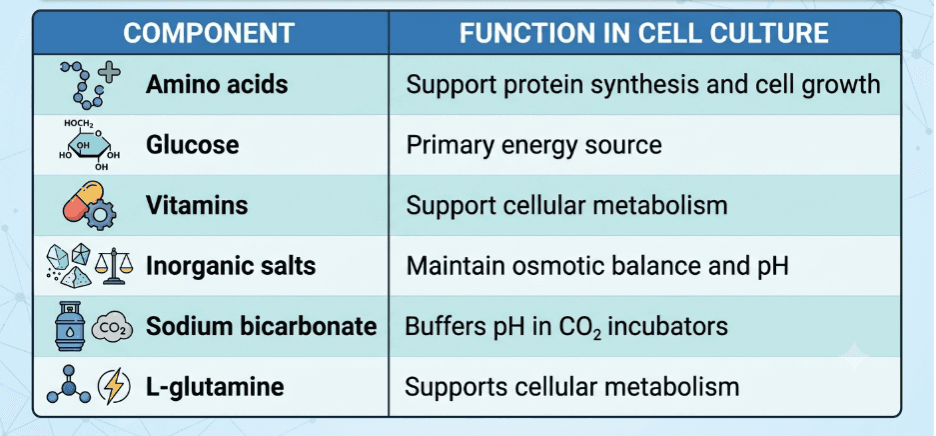
The effectiveness of DMEM medium lies in its balanced nutrient composition, with each component supporting cell growth, metabolism, and overall viability.
DMEM is a source of essential and non-essential amino acids, which aid in protein synthesis, cell growth, and repair. Therefore, adequate amino acid levels help maintain healthy and viable cell cultures.
The major source of energy in DMEM is glucose. Additionally, it is available in a variety of concentrations depending on the metabolic requirements of various cell types and research requirements.
Vitamins that are dissolved in water aid enzyme activity and cellular metabolism, facilitating the production of energy by cells, synthesis of nucleic acids, and normal cell growth.
The presence of inorganic salts within the body maintains osmotic pressure, balances electrolytes, and stabilizes the pH, which provides the optimal cell environment. Thus, these components are essential for maintaining suitable conditions for cell growth.
L-glutamine provides an important source of nitrogen and energy for rapidly dividing cells. However, as it disintegrates with time and generates ammonia, some researchers prefer stabilized versions, including GlutaMAX™, to ensure stability of the media.
Not all DMEM medium formulations are the same. In fact, among the largest changes is the concentration of glucose, which may affect the metabolism and growth of the cell.
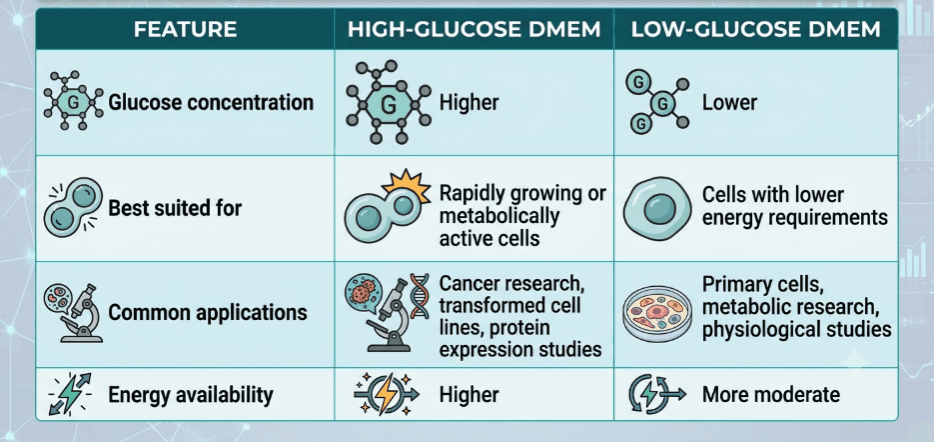
The best choice depends on several factors, including:
Researchers are advised to use the protocols or cell repository guidelines whenever choosing an appropriate formulation, and whenever possible.
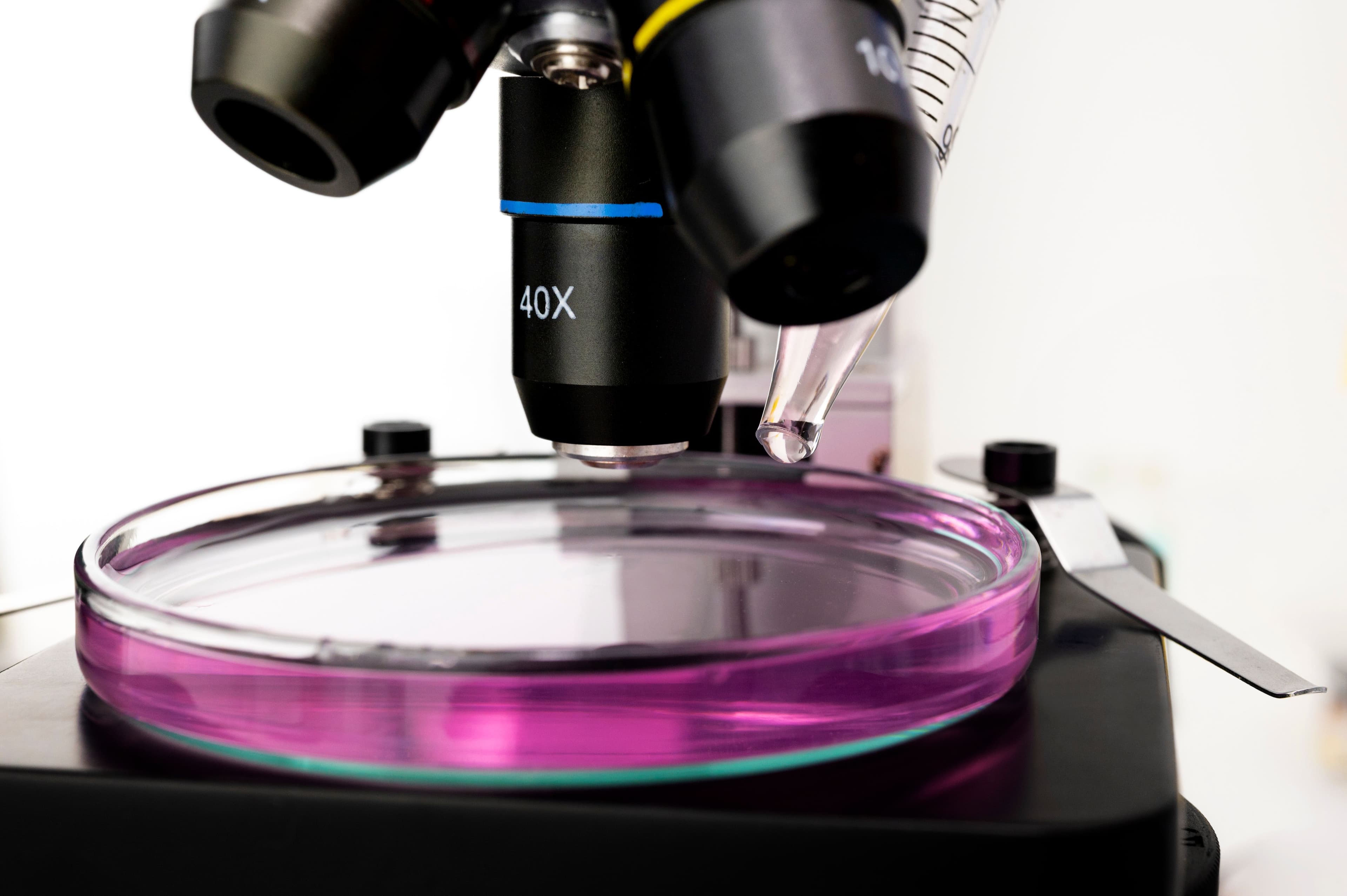
DMEM has become a versatile solution applicable in several different laboratory applications and in life science studies.
Most cultured mammalian cell lines can be propagated in DMEM cell culture systems due to the relatively high concentration of nutrients in the medium that support the proliferation and survival of cells. For example, these include fibroblasts, epithelial cells, kidney-derived cell lines, and numerous immortalized research cell lines.
Cancer researchers frequently use DMEM to investigate:
Its nutrient-rich composition supports the rapid growth often required during laboratory studies.
Biotechnology laboratories use DMEM during various stages of research and development, including:
The consistency and reproducibility of an experiment are further enhanced with reliable media performance.
Some uses of stem cells also use DMEM medium, usually with customized supplements and growth factors that target a particular cell population. Additionally, depending on the biological needs of the cultured cells, the formulation is usually tailored to the specifications of the researcher.
DMEM supplies many of the nutrient's cells need; it is generally used as a basal medium. However, most mammalian cells require additional components to create a complete growth medium that supports optimal proliferation and function.
FBS is one of the most common DMEM supplements, supplying growth factors, hormones, proteins, and nutrients that promote cell survival and proliferation. Therefore, the appropriate amount of serum in cell culture media depends on the cell type and research application.
L-glutamine is rapidly used by many cells during growth. However, as it inherently decays over time, laboratories can add L-glutamine to fresh media or select formulations that include stabilized substitutes, like GlutaMAX, to enhance media stability both on storage and utilization.
Antibiotics like penicillin and streptomycin are often used to minimize the chances of bacterial contamination. Nevertheless, they ought to supplement rather than supplant good aseptic methods since excessive reliance on antibiotics may conceal underlying contamination problems.
Depending on the application, researchers may also add:
Selecting the right DMEM supplements helps create a complete growth medium tailored to the biological needs of a specific cell type.
Following a consistent DMEM protocol helps improve reproducibility and cell health.
Step 1: Choose The Right DMEM Formulation
Select the appropriate DMEM based on your cell type and experimental requirements.
Step 2: Add Required Supplements
Under sterile conditions, add serum and other recommended DMEM supplements to prepare a complete growth medium.
Step 3: Maintain Aseptic Technique
Handle media and reagents using sterile equipment inside a biosafety cabinet to reduce contamination.
Step 4: Monitor Cell Growth
Regularly check cell morphology, confluency, viability, and signs of contamination to ensure healthy cultures.
Proper storage helps maintain the quality and performance of DMEM medium. Follow these best practices:
Since storage requirements may vary by formulation and supplements, follow the recommendations of the manufacturer.
DMEM remains a trusted choice for mammalian cell culture due to its nutrient-rich composition and versatility across a wide range of research applications. Choosing the right DMEM medium, using appropriate DMEM supplements, and following best practices can help improve cell growth and experimental consistency.
Looking for reliable cell culture media and laboratory reagents?
Explore XL Biotec cell culture media and biotechnology research products to support your research with high-quality laboratory solutions.
DMEM stands for Dulbecco Modified Eagle Medium, a nutrient-rich basal medium commonly used to culture mammalian cells in research laboratories.
DMEM contains amino acids, vitamins, glucose, inorganic salts, buffering agents, and often L-glutamine to support cell growth and metabolism.
High-glucose DMEM supports cells with greater energy demands, while low-glucose DMEM is better suited for cells that require physiological glucose levels.
DMEM supports many mammalian cell lines, including fibroblasts, epithelial cells, HEK cells, and other adherent cells.
DMEM is typically used for adherent mammalian cells, whereas RPMI-1640 is commonly used for suspension and immune cells.
Researchers commonly add fetal bovine serum (FBS), L-glutamine or GlutaMAX, antibiotics, and other cell-specific supplements.
L-glutamine naturally degrades over time, while GlutaMAX is a more stable alternative that extends media shelf life.
Store DMEM as recommended by the manufacturer and use it within the suggested timeframe after opening to maintain quality.
DMEM/F12 combines DMEM and F-12 of Ham nutrients and is commonly used for primary cells and specialized cell culture applications.
Common mistakes include choosing the wrong formulation, improper storage, poor aseptic technique, and incorrect supplement use.
