รายการของคุณว่างเปล่า
เพิ่มสินค้าเพื่อขอใบเสนอราคา

Immune system antigen presentation is vital to pathogen detection and homeostasis maintenance. While most immune responses involve peptide antigens presented by major histocompatibility complex (MHC) molecules, CD1 molecules specialize in presenting lipid and glycolipid antigens. This special route allows the immune system to identify altered self-lipids and lipid-rich pathogens that are not seen by the normal presentation of peptides.
One important feature of the CD1 pathway is the activation of Natural Killer T (NKT) cells, a T-cell subset that brings together two powerful arms of immunity: adaptive and innate. As a result, the CD1–NKT cell axis has become an area of intense research in modern immunology, as the cytokines released by these cells coordinate immune responses in infectious diseases, cancer immunotherapy, autoimmune disorders, and vaccine development.
Furthermore, knowledge of CD1 biology is becoming increasingly important in both basic and translational immunology due to the continued growth of research on lipid-mediated immunity.
To know more about how CD1 molecules bridge innate and adaptive immunity and their growing role in disease research, keep reading.
CD1 molecules present lipid and glycolipid antigens to T cells, whereas classical MHC molecules are used for the presentation of peptide antigens. This unique pathway allows the immune system to recognize lipid-rich pathogens, such as Mycobacterium tuberculosis, as well as lipid molecules involved in immune regulation. As a result, CD1 plays a vital role in immune surveillance, inflammation, and disease research.
There are five different isoforms in the human CD1 family: CD1a, CD1b, CD1c, CD1d, and CD1e. While CD1a–CD1d present lipid antigens on the cell surface to lipid-specific T cells, CD1e functions intracellularly to facilitate lipid antigen processing before presentation. Together, these molecules augment the capacity of the immune system to recognize structurally diverse lipid antigens.
CD1 antigen-presenting cells are primarily professional antigen-presenting cells (APCs), including:
These cells present lipids to activate lipid-reactive T cells and to link innate and adaptive immune systems.
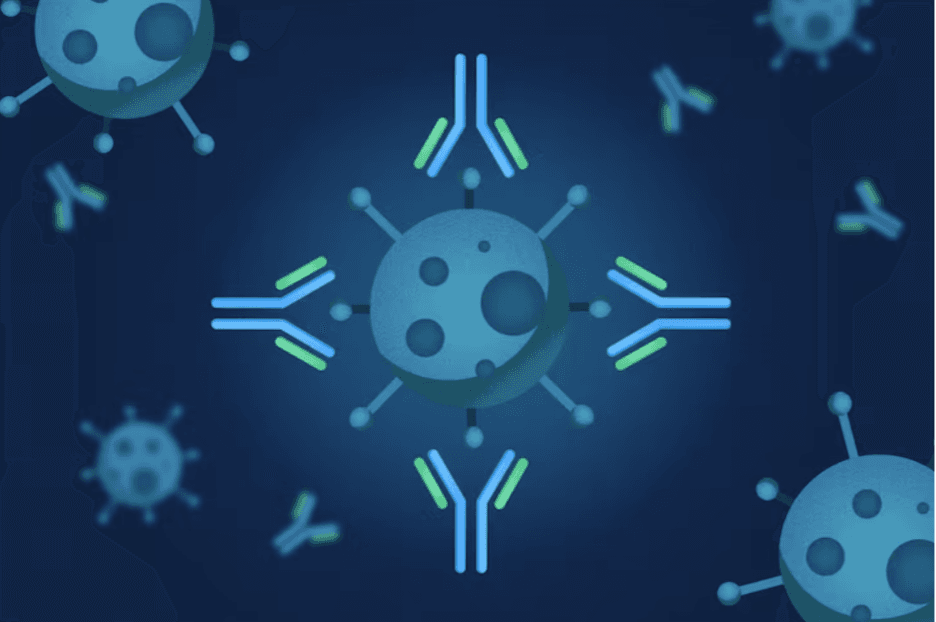
Unlike classical MHC presentation, CD1 antigen presentation of lipids and glycolipids enables recognition of lipid and glycolipid antigens from pathogens as well as host antigen-presenting cells. As a result, this unique pathway plays a critical role in the activation of lipid-reactive T cells and the orchestration of immune responses.
Antigen-presenting cells (APCs) take in microbial antigens or injured host cells and break them down in endosomes and lysosomes. Lipid-transfer proteins then help to load lipid antigens onto CD1 for presentation.
Processed lipid antigens bind to the hydrophobic groove of CD1 molecules, forming a CD1–lipid complex that is transported to the cell surface. This makes it possible for immune cells to see the exposed lipid head group.
At the cell surface, CD1 molecules present lipid antigens to Natural Killer T (NKT) cells. Among the CD1 family, CD1d plays a special role by binding glycolipids and activating invariant NKT (iNKT) cells, thereby triggering immediate cytokine production that initiates immune responses.
Activated NKT cells release cytokines like IFN-γ, IL-4, TNF-α, IL-17, and GM-CSF, which activate dendritic cells, macrophages, NK cells, B cells, and conventional T cells. As a result, the CD1–NKT cell axis serves as a crucial link between innate and adaptive immunity, making it a major focus of research in infectious diseases, cancer immunotherapy, and immunology.
All isoforms of CD1 present lipid antigens, but they have different tissue distributions, antigen specificities, and immune functions. The CD1a, CD1b, and CD1c molecules work together with CD1d and CD1e to facilitate a recognition mechanism unique to the immune system, which allows it to recognize microbial and self-lipid antigens.
CD1a is mostly expressed by Langerhans cells and dendritic cells in skin and mucosal epithelia, both endogenously and in the presence of microbes, presenting lipids for skin immunity and inflammatory responses.
The antigen-binding groove of CD1b is one of the largest, enabling the presentation of complex microbial lipids, such as mycolic acids from Mycobacterium tuberculosis. Therefore, it plays a key role in mycobacterial immunity and host–pathogen research.
CD1c reacts to a wide variety of phospholipids, glycolipids, and lipopeptides, thereby playing a role in antibacterial immunity through the activation of lipid-reactive T cells.
CD1d is essential in immune regulation because it binds lipid antigens to Natural Killer T (NKT) cells. This has drawn considerable research interest due to its function in activating invariant and non-invariant NKT cells in infectious diseases, cancer immunotherapy, and autoimmune diseases.
CD1e is found on lysosomes and endosomes and plays a role in lipid antigen processing prior to the initiation of presentation, unlike other isoforms of CD1. Although it does not directly activate T cells, it enhances the efficiency of CD1-mediated antigen presentation.
CD1 antigen presentation of lipid antigens is important not only for us but also for immunoregulation. By activating Natural Killer T (NKT) cells and other lipid-reactive lymphocytes, CD1 molecules influence both innate and adaptive immunity, making them an important focus in infectious disease, cancer, autoimmune, and vaccine research.
CD1d NKT cells interact with CD1d molecules to recognize glycolipid antigens and can also rapidly secrete cytokines that can activate dendritic cells, macrophages, natural killer cells, B cells, and conventional T cells. This rapid response allows the activities of the NKT cells to link innate and adaptive immunity and to orchestrate initial, early immune responses.
CD1b and CD1c express lipid antigens of Mycobacterium tuberculosis and are involved in the recognition of these antigens in CD1 tuberculosis immunity. Therefore, the pathway is an important route for developing research on TB vaccines, biomarkers for discovery, and host-directed therapies.
CD1d cancer immunotherapy is an emerging field that harnesses NKT cells to strengthen antitumor immune responses. Current research includes glycolipid agonists, dendritic cell vaccines, adoptive NKT cell therapy, and CAR-iNKT cell approaches, offering promising strategies for future cancer treatment.
Self-lipid antigens are also presented by CD1 molecules, which play a role in immune tolerance. In addition to their involvement in various autoimmune diseases, including psoriasis, multiple sclerosis, rheumatoid arthritis, and systemic lupus erythematosus, the CD1-target pathway provides a significant opportunity for translational studies in immunology.

As CD1 research progresses, it is important to choose an appropriate experimental tool and validated reagents to obtain reproducible and biologically relevant information.
These validated antibodies play key roles in the study of CD1 expression, antigen presentation, and NKT cell biology. Therefore, when selecting antibodies, consider application validation, species reactivity, clone specificity, and published performance data to ensure reliable results.
Several techniques are routinely used to investigate CD1 biology, including:
Research into immunology needs to be reproducible and must be done with high-quality antibodies, recombinant proteins and cytokines. Therefore, XL Biotec offers a comprehensive range of antibodies, proteins & cytokines, molecular biology products, and tissue culture reagents to support studies on CD1 biology and immune function.
CD1 molecules are key to immune system functioning, due to their capacity to present lipid antigens alongside the classical peptide-based MHC pathway. Through the activation of Natural Killer T (NKT) cells, they bridge innate and adaptive immunity, enabling rapid immune responses while supporting immune regulation and long-term protection.
As research into lipid antigen presentation continues to expand, the CD1–NKT cell axis is emerging as a promising area for advancing our understanding of infectious diseases, cancer immunotherapy, autoimmune disorders, and vaccine development. This information is pioneering paths in translational immunology and the creation of new-generation treatment area plans.
Therefore, high-quality reagents are essential for generating reliable and reproducible immunology data.
Explore our portfolio of antibodies, proteins, cytokines, and research solutions to support your CD1 studies.
1. What is the meaning of CD1 in Immunology?
CD1 is a family of MHC class I-like molecules that present lipid antigens to specialized T cells and Natural Killer T (NKT) cells.
2.How is CD1 different from MHC molecules?
In contrast to MHC molecules, which present peptide antigens, CD1 molecules present lipid and glycolipid antigens.
3.What are CD1d NKT cells?
CD1d NKT cells are immune cells that can quickly initiate immune responses and recognize lipid antigens presented in MHC CD1d molecule complexes.
4.What is the function of the presentation of CD1 lipid antigen?
The CD1 lipid antigen presentation refers to a process in which the CD1 molecule presents lipid antigens on the cell surface for recognition by T cells.
5.What innovations are being developed for CD1d-based cancer immunotherapy?
The researchers are investigating therapies targeting CD1d to activate NKT cells to boost antitumor immune responses.
