Your list is empty
Add products to request a quote

A lab froze a batch of liver cells in the late 1970s. That same population is still dividing in incubators today, answering questions about the human liver that no living donor could safely answer. It’s odd, when you stop to think about it.
That is the reality behind HepG2, a line that has outlasted the scientists who first isolated it, carried the wrong diagnosis for thirty years before anyone corrected the record, and still ranks among the most cited liver models in toxicology and drug research. Most people who work with it daily have never asked where it came from, and that story explains why this one line refuses to go away.
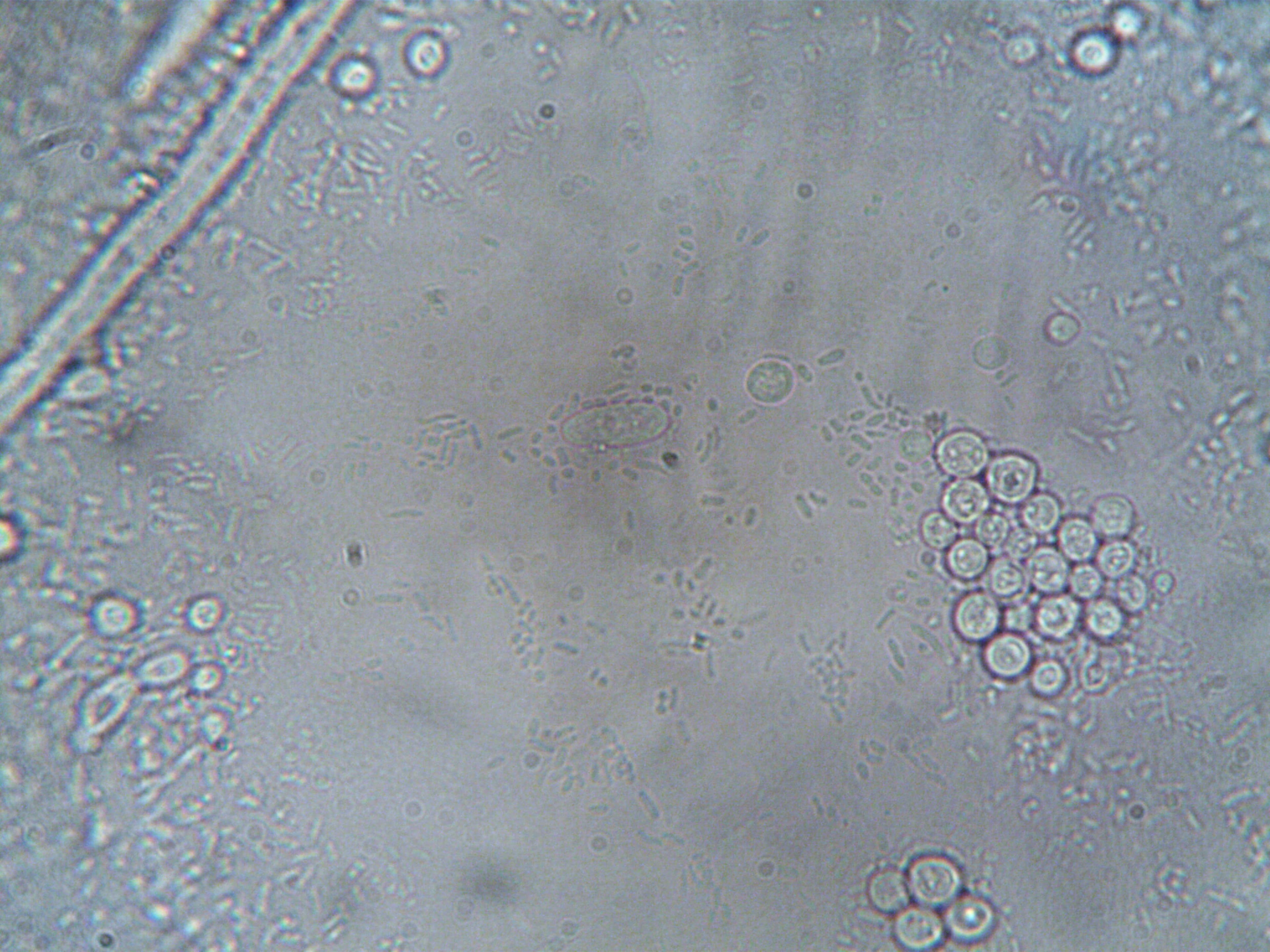
HepG2 cells go back to 1975. Researchers took tissue from the liver tumor of a teenage boy and grew it into a continuous cell line, and for decades, textbooks listed it as coming from a hepatocellular carcinoma. Nobody questioned that label much.
Then, in 2009, a genetic review led by pathologist Dolores López-Terrada took a closer look at the chromosome patterns and gene mutations sitting inside these cells, and what she found did not match. The markers pointed to hepatoblastoma instead, a tumor type that mostly shows up in young children rather than adults.
The change was not a small footnote.
A genomic reclassification study published in Human Pathology found that beta catenin gene deletions and chromosome translocations were much more closely associated with hepatoblastoma than with adult liver cancer. Thousands of existing studies had drawn conclusions using the older label, so the correction mattered. The HepG2 cell line kept its name and its usefulness. Only the diagnosis changed.
What never changed is the behavior that made these cells worth keeping around. Even though they come from a tumor, HepG2 cells grow as flat, adherent sheets and form distinct membrane surfaces that mimic the bile-facing and blood-facing sides of a real hepatocyte.
They secrete albumin, transferrin, and other proteins a working liver would normally produce on its own. That hepatocyte-like behavior earned the line a permanent place in liver labs, long before anyone corrected its origin story.
A living human liver cannot undergo a biopsy every week to test a new drug candidate. Primary hepatocytes, the actual liver cells taken from donor tissue, lose most of their function within days once researchers place them in culture.
HepG2 solved that problem in an unglamorous way, giving researchers a liver cell population that behaves the same way twice, keeps dividing on its schedule, and stays available to order again next year with the same genetic background.
That consistency turned HepG2 into a workhorse for disease modeling. Scientists use it to study fatty liver changes, protein transport disorders such as Dubin-Johnson syndrome, and how liver cells organize their internal traffic.
There is a catch, though. Its cytochrome P450 activity, the enzyme family that breaks down most drugs, is naturally lower than in a real liver, so many labs use enzyme-boosted variants instead of the plain line. Compared with other liver cell line models on the market, HepG2 still strikes a rare balance between ease of use and realistic hepatocyte behavior.

HepG2 ATCC deposit HB-8065 is the reference point most labs use to confirm they are working with an authentic, unaltered line, not a drifted copy of one. ATCC keeps the original stock and checks it through short tandem repeat profiling and whole genome sequencing, so any lab can compare its cultures against that fingerprint.
Standardization solves a problem that used to quietly wreck comparability, with cell lines drifting genetically over years until two labs studying the "same" cells were really studying two different populations. A handful of practical facts keep HepG2 work reproducible across labs.
HepG2 cell culture does not demand exotic equipment, though it rewards attention to a few details that are easy to skip when a lab is in a hurry. The cells grow best in Eagle's Minimum Essential Medium with 10 percent fetal bovine serum, kept at 37 degrees Celsius in a humidified incubator holding 5 percent carbon dioxide.
Media choice matters more than many new lab members expect. An inconsistent fetal bovine serum supply can quietly shift growth rates and skew how cells respond in a toxicity assay.
Drug-induced liver injury is one of the most common reasons a promising compound gets pulled from development. Catching that risk early is one of the more valuable HepG2 uses in the pharmaceutical pipeline, since it provides researchers an affordable way to spot warning signs before a drug reaches animal testing or human trials.
Cytochrome P450 enzymes convert many drugs into their active or toxic forms inside the liver. Natural HepG2 cells express these enzymes at low levels, so researchers build modified versions carrying added copies of specific CYP genes.
A study on CYP-overexpressing HepG2 cells for assessing drug and chemical induced liver toxicity found that these engineered lines flag compounds that only turn harmful once the liver's own enzymes metabolize them, catching risks a plain HepG2 assay would likely miss.
This kind of screening runs in standard multi-well plates, letting one lab test hundreds of candidate compounds in a week at a fraction of the cost of animal studies.
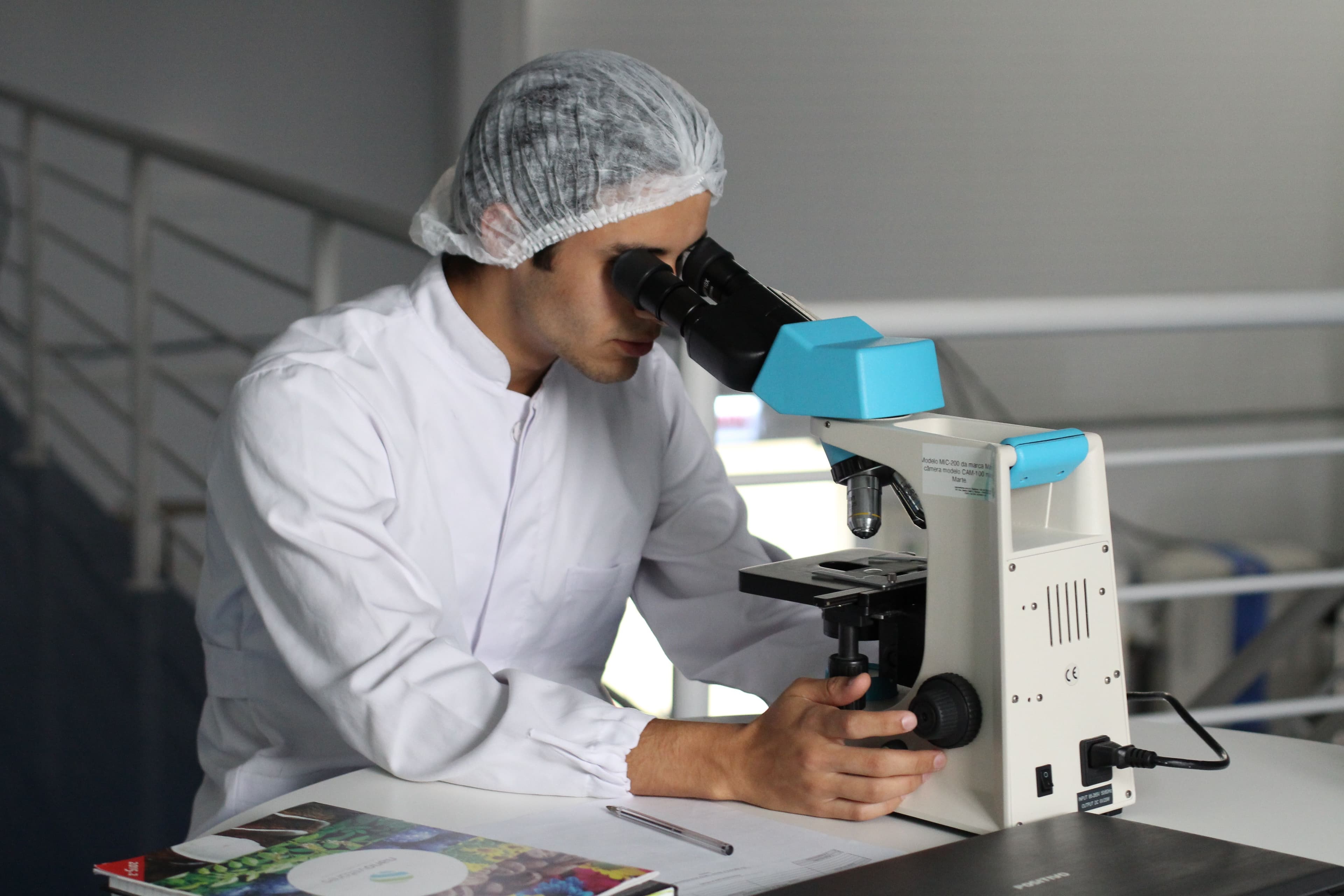
Pharmaceutical companies are not the only ones relying on this line. Environmental toxicologists use HepG2 to test how industrial chemicals, pesticides, and heavy metals affect liver cell survival and DNA integrity, and comet assays and micronucleus tests run on HepG2 cultures flag genotoxic agents, substances capable of damaging genetic material, before they reach regulatory review.
Three-dimensional HepG2 spheroid models have added another layer to this work in recent years. Cells grown as small, clustered spheres, rather than flat sheets, show enzyme activity closer to normal and survive longer under repeated chemical exposure, matching how a real liver responds to chronic, low-dose contact with a toxin.
Cancer biology and drug safety are not the only fields leaning on this line. Nutrition scientists use HepG2 cells to study how liver cells process and store fatty acids, sugars, and amino acids, since the line accumulates lipid droplets in a pattern like early-stage fatty liver disease. That makes it a common tool for testing whether a supplement or a dietary pattern worsens or reduces fat buildup at the cellular level.
Geneticists reach for the same cells for a different reason. HepG2 carries well-documented chromosome and gene mutations, so it works as a stable background for testing how specific genes affect liver cell behavior once switched on or off. Cancer researchers still study HepG2 directly, since its tumor origin keeps it relevant to hepatoblastoma and broader liver cancer biology, reclassification or not.
Fifty years after that first isolation, the reasons labs keep reaching for this line have not changed all that much. It grows reliably, behaves enough like a real hepatocyte to answer practical questions, and carries a level of genetic documentation that few other cancer-derived lines can match.
None of that reliability holds up if the cells themselves are poorly sourced, though. A supplier that checks passage history and screens for contamination helps a lab avoid the drift and mislabeling problems that affected this line's own history.
XL Biotec supplies HepG2 cells to research teams across Thailand, along with a range of liver cell lines for labs working in cancer, toxicology, and metabolism studies. Buy HepG2 cells directly and get quality-assured cells moving toward your bench
1. What is the HepG2 cell line?
It is a continuously growing human liver cell line established in 1975 from a liver tumor and, and widely used to study hepatocyte behavior, drug metabolism, and toxicity.
2. Where do HepG2 cells come from?
Researchers isolated them from the liver tumor of a teenage patient in 1975. A later genetic review reclassified the line as hepatoblastoma derived rather than adult hepatocellular carcinoma.
3. Why are HepG2 cells used in liver research?
They mimic several functions of real hepatocytes, including protein secretion and membrane polarity, while dividing indefinitely, so long-term and repeatable liver studies become possible.
4. What is HepG2 ATCC and why does standardization matter?
HepG2 ATCC refers to the authenticated reference stock, catalog HB-8065, maintained by ATCC. It gives labs a genetic fingerprint to confirm their cultures match the verified original line.
5. How are HepG2 cells cultured in the lab?
They grow in Eagle's Minimum Essential Medium with 10 percent fetal bovine serum at 37 degrees Celsius, with regular medium changes and routine subculturing once confluent.
6. How are HepG2 cells used in drug development?
Researchers use them to screen early drug candidates for liver toxicity, often after modifying the cells to express higher cytochrome P450 activity, which lets them catch metabolism-related risks sooner.
7. Can HepG2 cells be used for toxicology testing?
Yes. They serve as a standard model for testing chemicals, pesticides, and environmental contaminants for genotoxic and cytotoxic effects on liver cells.
8. What are the main applications of HepG2 cells?
Common HepG2 applications include hepatotoxicity screening, cancer biology, nutrition and lipid metabolism studies, genetic research, and environmental toxicology.
9. How do HepG2 cells mimic real liver function?
They form organized membrane domains, secrete liver-specific proteins such as albumin, and carry out a portion of normal hepatocyte metabolic activity, though at lower enzyme levels than donor tissue.
10. What are the advantages of HepG2 cells over primary hepatocytes?
Unlike primary hepatocytes, which lose function within days, HepG2 cells divide indefinitely, behave consistently between batches, and cut out the need for fresh donor liver tissue on every single study.
