Your list is empty
Add products to request a quote

Understanding the differences between a cell line and immortalized primary cells is crucial for researchers, educators, and students in the field of cell biology. These two types of cells play pivotal roles in scientific studies, and each has its unique applications and attributes. In this post, we’ll dive into the primary distinctions, offering a simplified guide for readers of all backgrounds.
A cell line refers to a continuous culture of cells that can proliferate indefinitely under specified conditions. Originating from a single cell, these cells share identical genetic makeup. They are usually derived from tumors, making them inherently immortal.
Key Characteristics of Cell Lines:

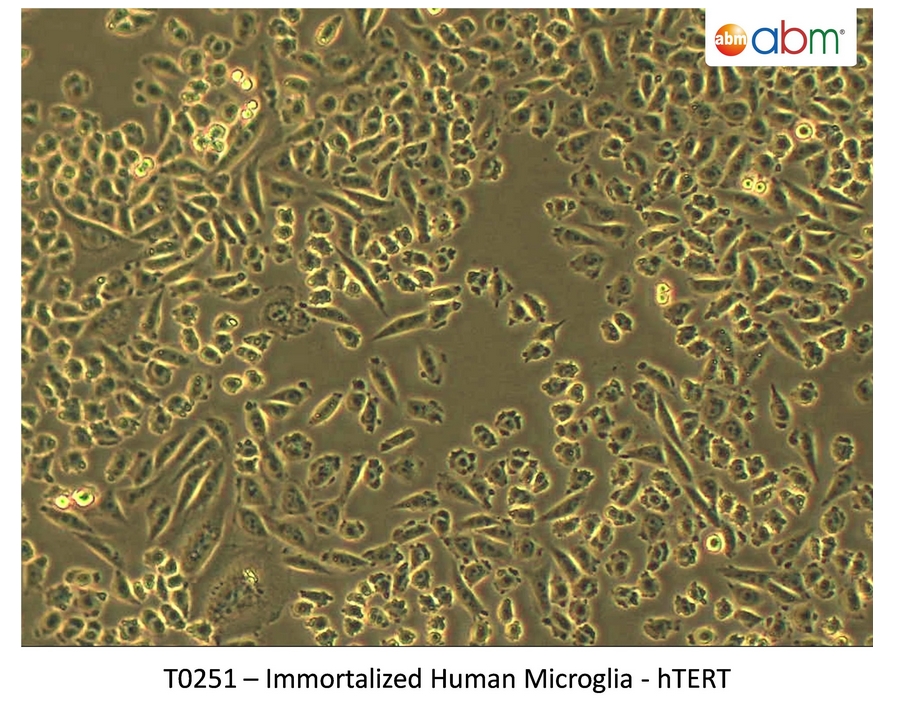
Immortalized primary cells start as normal primary cells but undergo a process that allows them to avoid cellular senescence and continue to proliferate. Unlike cell lines, these cells aren’t derived from tumors but rather from normal tissues.
Key Characteristics of Immortalized Primary Cells:

## Major Differences At A Glance
Source:
Genetic Stability:
Applications:
Recognizing the nuances between a cell line and immortalized primary cells can enhance the quality and accuracy of biological research. Whether for drug testing, gene studies, or disease research, these cells offer invaluable insights. As the world of cell biology continues to evolve, having foundational knowledge about these cellular resources becomes increasingly essential.