Your list is empty
Add products to request a quote

Key Takeaways:
RPMI 1640 GlutaMAX has proven critical in advancing medical research since its discovery decades ago. Originally developed by the Roswell Park Memorial Institute, the groundbreaking, nutrient-rich mammalian cell culture medium is based on the famous RPMI (Roswell Park Memorial Institute) 1640 formulation.
RPMI 1640 GlutaMAX was initially created to facilitate the culturing of human leukemic cells in suspension and as a monolayer. The formulation has acquired immense significance in various research fields over the years, such as biology, oncology, and immunology. It’s presently one of the world’s most popular cell culture media.
Although based on the RPMI 1640 formulation, the RPMI 1640 GlutaMAX features a more stable dipeptide form of L-glutamine. The culture medium is designed to foster cell viability, notably supporting the growth of human cells like monocytes, lymphocytes, and various cancer cell lines.
Besides, RPMI 1640 GlutaMAX has proven effective in neutralizing ammonia toxicity, improving overall immunity. Read on as we explore the formulation’s benefits, stability, and T-cell culture applications.
Table of Contents
Before delving into RPMI 1640 GlutaMAX’s benefits, it’s prudent to understand how this human cell culture medium compares to standard media. That information can help point you to genuine RPMI 1640 GlutaMAX. Besides, you’ll be able to predict the formulation’s efficacy more accurately.
Now, the standard RPMI 1640 requires frequent L-glutamine supplementation.
Unfortunately, L-glutamine is highly prone to sunlight and temperature degradation. Exposure to temperatures above 370 °C can cause the peptide to decompose over time, accelerating ammonia build-up and reducing cell immunity.
RPMI 1640 GlutaMAX functions as a more stable dipeptide version of L-glutamine, i.e., L-alanyl-L-glutamine. The medium minimizes the need for frequent L-glutamine supplementation, reducing contamination risks while promoting cell viability.
One way to assess RPMI 1640 GlutaMAX’s efficacy is by understanding what it constitutes.
So, what’s inside the RPMI 1640 GlutaMAX medium?
At its core, RPMI 1640 GlutaMAX comprises 20 amino acids. The medium typically contains glutamine at 300 mg/L, serving as its primary energy source for cell division.
Other noteworthy amino acids include tryptophan, asparagine, arginine, and leucine.
RPMI 1640 GlutaMAX is chock-full of vitamins, too. The cell culture medium is notably high in B-complex vitamins, including vitamins B12, riboflavin, thiamine, and niacinamide. Others include folic acid, biotin, and PABA.
RPMI 1640 GlutaMAX packs more vitamins than the previous RPMI 1640 formula, improving its efficacy. It’s significantly high in PABA and inositol, which promote lymphoid cell viability.
Below are RPMI 1640 GlutaMAX’s other core constituents;
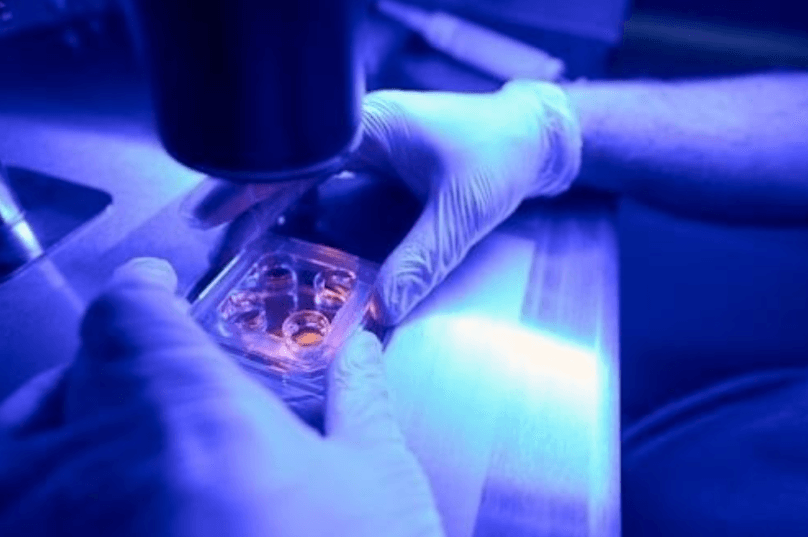
Although RPMI 1640 GlutaMAX was originally developed to culture human leukemic cells, the medium has become a staple in many laboratories due to its compatibility with multiple cell types. Some noteworthy applications include;
RPMI 1640 GlutaMAX supports various immune cells, including lymphoid and hematopoietic cells.
Numerous biological and immunology research programs especially utilize GlutaMAX for T-cell culture. Besides, the medium promotes the growth of B cells, NK cells, PBMCs, and monocytes.
RPMI 1640 GlutaMAX has become central to cytokine-based experiments and lymphocyte proliferation studies.
One of RPMI 1640 GlutaMAX’s most revolutionary applications is in oncological research.
GlutaMAX promotes the viability of numerous cancer cell lines, including Jurkat (T-cell leukemia), HL-60 (promyelocytic leukemia), and K-562 (chronic myelogenous leukemia). Many oncologists rely on the medium to perform cancer-related screening and drug tests.
RPMI 1640 GlutaMAX isn’t only relevant in oncological research. Due to its positive effects on various immune cells, the medium may also help with general drug and vaccine screening.
L-glutamine, the predominant peptide in standard RPMI 1640 formulations, is notoriously prone to degradation. The molecule spontaneously decomposes into ammonia, a toxic by-product.
Studies have demonstrated that L-glutamine’s decomposition causes ammonia build-up in cell cultures, potentially hampering the propagation of IAVs. That explains why RPMI 1640 with L-glutamine can become toxic within weeks.
In contrast, RPMI 1640 GlutaMAX features a more stable L-glutamine substitute - L-alanyl-L-glutamine. This minimizes the build-up of ammonia and other metabolic wastes, promoting healthier cell cultures.
As RPMI 1640 GlutaMAX is remarkably stable, you don’t need to supplement it frequently with L-glutamine. Reducing the frequency of media changes minimizes contamination.
The fact that RPMI 1640 GlutaMAX is less susceptible to ammonia build-up makes it even safer for use in human cultures.
RPMI 1640 GlutaMAX’s stability enables it to support the growth and viability of various cell lines.
While standard RPMI 1640 formulations may only serve fast-growing cells due to their higher degradation rate, RPMI 1640 GlutaMAX supports both fast- and slow-growing suspension cells. The medium has notably proven effective with Jurkat, PBMC, and HeLa cell lines.
Thanks to its superior stability, the RPMI 1640 GlutaMAX medium ensures robust and reproducible results in medical research centers.
Note that the standard RPMI 1640 medium is already full of vitamins and the reducing agent glutathione. Adding GlutaMAX to the mix improves the formulation’s utility, making it one of the most versatile cell culture media.
There’s a cost attached to maintaining human cell culture media.
As noted, unstable formulations require frequent supplementation and replenishment. This can rack up the maintenance costs over time. RPMI 1640 medium’s stability reduces the need for frequent supplementation, making it particularly cost-effective for large-scale medical research programs.
Besides, RPMI 1640 GlutaMAX doesn’t require low-temperature storage to maintain optimal activity. That further minimizes refrigeration costs.
Ease of use is a critical aspect while sourcing cell culture media. It’s also one of the areas where RPMI 1640 GlutaMAX outshines the standard RPMI 1640.
Due to its enhanced stability, RPMI 1640 GlutaMAX can serve as a direct equimolar L-glutamine substitute. It doesn’t require special adaptations to work with most cell lines, unlike many mammalian cell culture media.
Many researchers also laud RPMI 1640 GlutaMAX for its incredible versatility. Whether you’re investigating neoplastic leukocytes or hybridomas, you can rely on this medium to promote the viability of your target suspension cells.
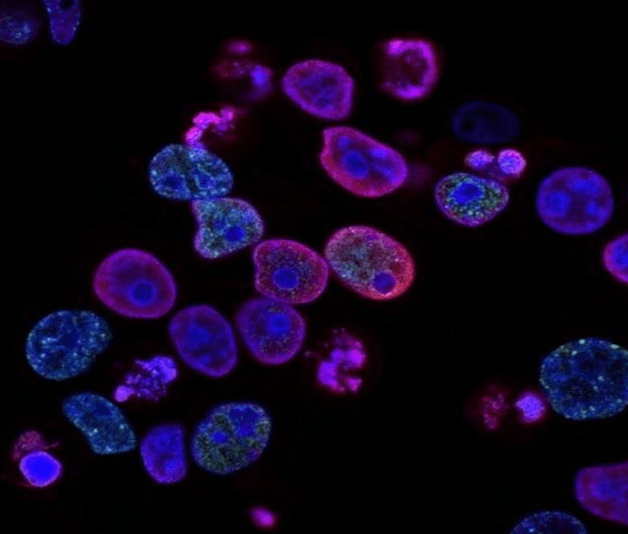
As you’ve probably gathered by now, enhanced stability is one of RPMI 1640 GlutaMAX’s most outstanding attributes. But what makes this medium so stable?
Standard RPMI 1640 formulations contain L-glutamine, which readily degrades when exposed to sunlight and ambient heat.
Instead of L-glutamine, RPMI 1640 GlutaMAX features L-alanyl-L-glutamine. This dipeptide is remarkably stable and can last up to 12 months when preserved under ideal conditions.
Experts recommend storing L-alanyl-L-glutamine in dark bottles and maintaining the temperatures between 2 - 80 °C. While 2 degrees C may appear relatively low, many cell culture media would require more frigid conditions to maintain consistent nutrient concentration.
By featuring a stabilized L-glutamine medium, RPMI 1640 GlutaMAX can foster healthier and higher-performance cells. Increased stability also minimizes ammonia accumulation, a principal toxic by-product of L-glutamine breakdown. This further boosts cellular health and improves overall immunity.
To optimize RPMI 1640 GlutaMAX’s efficacy, avoid freezing it. Excessive heating (above 370 °C) may also destabilize the medium’s nutrients and cause undesired results.
It’s also worth noting that RPMI 1640 GlutaMAX utilizes a sodium bicarbonate system. As such, it requires about 5 - 10% carbon dioxide to maintain its optimal pH range.
And, needless to mention, strictly use RPMI 1640 GlutaMAX within the listed expiration date.
RPMI 1640 GlutaMAX is optimized for T-cell applications, a nod to its incredible efficacy.
Many research centers utilize GlutaMAX cell culture supplement to activate, expand, and cultivate peripheral blood lymphocytes. Other common T-cell applications include;
As RPMI 1640 GlutaMAX can remain stable for months, it releases glutamine slowly to promote long-term T-cell health. The medium is rich in vitamins and glutathione, which activate the energy levels required to stimulate lymphocytes.
Some findings suggest that the RPMI 1640 GlutaMAX may assist ex vivo T-cell activation and manipulation, making it crucial in drug and vaccine development.
RPMI 1640 GlutaMAX’s extensive interactions with T-cells might help detect carcinogenesis. The medium can also pinpoint viral proliferation, supporting early disease detection.
Phenol is a staple RPMI 1640 GlutaMAX constituent, which serves as the pH indicator. It’s the compound that gives the medium its distinct color. Eliminating phenol red from GlutaMAX would render the formulation colorless, making it challenging to detect the formulation’s current pH.
However, note that phenol red can interfere with optical measurements like fluorescence and spectrophotometry. The die may also mimic estrogen activities, resulting in false positives.
Keep these facts in mind when applying the RPMI 1640 GlutaMAX medium in cell cultures.
Perhaps you’re now wondering - when should I use GlutaMAX with phenol red?
Phenol red is a pH indicator, making it critical during RPMI 1640 GlutaMax preservation. You need the dye to monitor your GlutaMAX over time and ensure it doesn’t slip outside the ideal pH range.
But since phenol red can mimic estrogen properties, it’s best to consider phenol-free GlutaMAX media when conducting hormonal studies.
RPMI 1640 GlutaMAX contains the more stable L-glutamine alternative - L-alanyl-L-glutamine - which extends its shelf life and improves its overall performance in cell cultures.
Although RPMI 1640 GlutaMAX is best stored under cooler temperatures of 2 - 8 degrees C, it’s far more stable than the L-glutamine-based RPMI 1640, which often requires continued freezing.
RPMI 1640 GlutaMAX releases glutamine slowly to T-cells, preventing rapid ammonia build-up that could inhibit T-cell viability and expansion.
Besides indirectly replacing the standard RPMI 1640, GlutaMAX may also substitute L-glutamine directly at equimolar concentrations.
Consider phenol red-free RPMI 1640 for experiments highly reliant on optical clarity, or for non-estrogen-based studies.
Unopened GlutaMAX can remain stable for 12 months from the manufacturing date if preserved under 2 – 8°C, while opened bottles can last up to 4 weeks before you need to supplement with serum.
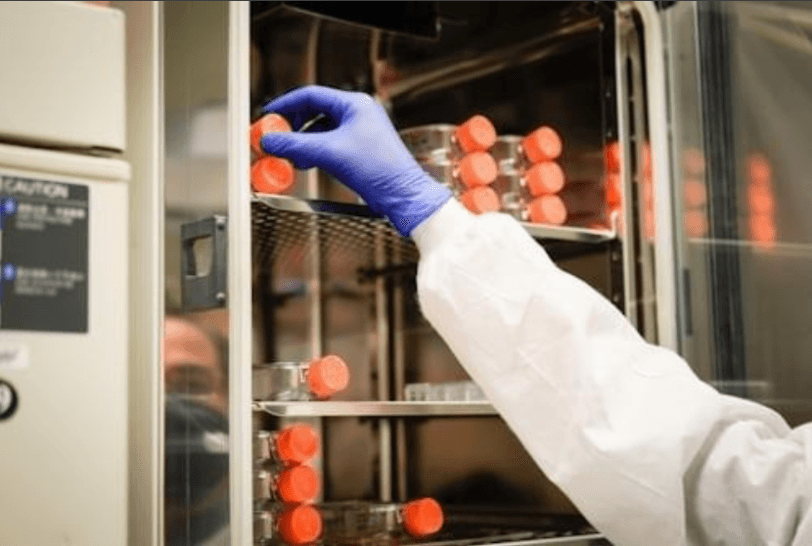
RPMI 1640 GlutaMAX is one of the most important human cell culture media ever developed. Although originally designed to culture leukemic cells, this medium has acquired several applications over the years.
Findings have shown that RPMI 1640 GlutaMAX can promote cell growth far more effectively than many cultures. The medium notably targets monocytes and lymphocytes, two critical human cells. It also fosters the viability of various cancer cells, making it a staple in biological and oncological research centers.
RPMI 1640 GlutaMAX is also low-maintenance compared to standard RPMI 1640 formulations. The media features a more stable dipeptide instead of the unstable L-glutamine, enabling it to inhibit ammonia build-up for enhanced immunity.
However, like most cell culture media, RPMI 1640 GlutaMAX’s efficacy depends on the source. Obtain this medium from highly-reputed suppliers with proven industry experience.
